Key facts
- Labour is considering extending the "mansion tax" to properties valued at over £1.5 million.
- This potential change could impact over 270,000 homes, more than doubling the current estimated number.
- The proposal is being discussed as a way to generate approximately £800 million annually for the government.
- The current "mansion tax" applies to properties over £2 million and was expected to affect 134,000 homes.
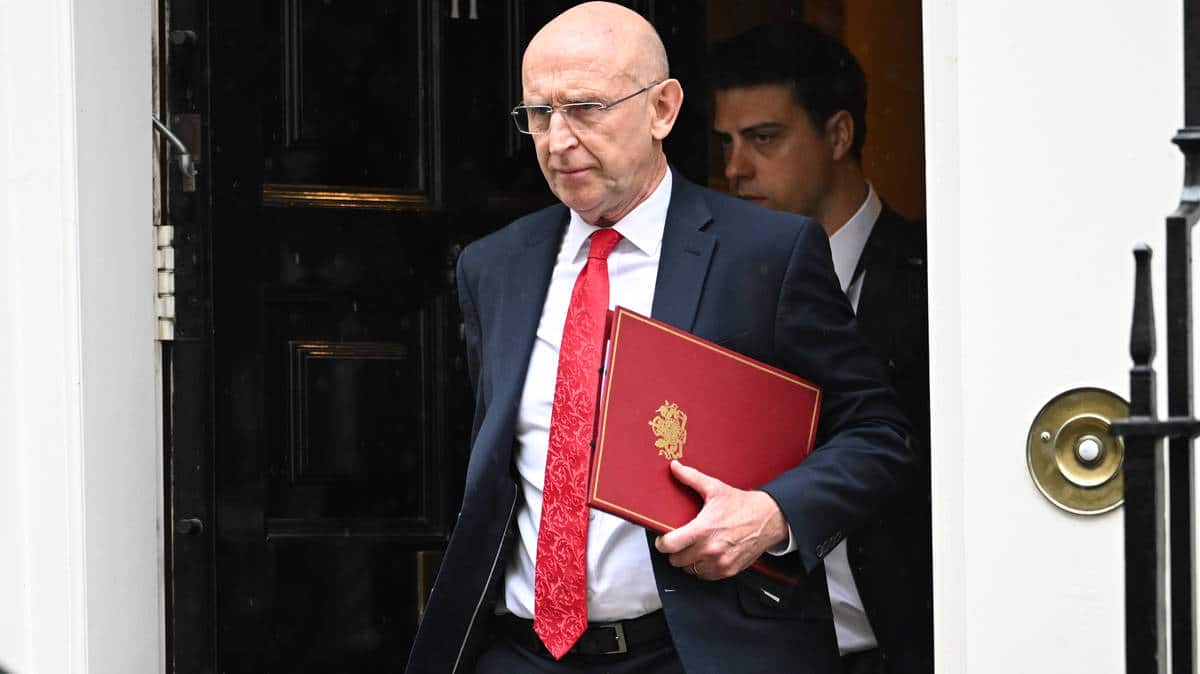
- Chancellor John Healey is reportedly considering the proposal ahead of his first budget.
- Housing experts warn that such a move could reduce property sales.
The UK Labour government is reportedly in "live discussions" about lowering the threshold for its "mansion tax" to properties valued at over £1.5 million, a move that could significantly increase the number of homeowners subject to the levy. This proposal is being considered by Chancellor John Healey as a potential revenue-generating measure ahead of his first budget in October.
The current "mansion tax," announced last November, imposes an annual charge of between £2,500 and £7,500 on properties exceeding £2 million, a policy estimated to affect around 134,000 homes. If the threshold is lowered to £1.5 million, sources suggest this could impact nearly 300,000 homes, particularly in London and the South East, and potentially generate around £800 million per year.
Sources within the Treasury have described the discussion as "live," though nothing has been firmly decided amid concerns about affecting more modest homes. Housing experts have cautioned that such a policy could negatively impact property sales.
Meanwhile, the Conservative party is preparing to warn Labour against further tax increases, citing previous measures by Rachel Reeves. Shadow Chancellor Andrew Griffith is expected to advocate for tax cuts and reduced red tape for small businesses, arguing that they are currently overtaxed and burdened by a complex system. Prime Minister Andy Burnham has indicated that the upcoming budget will involve difficult decisions due to rising inflation.