Key facts
- The Korea Exchange (KRX) launched its after-hours trading session on September 14, 2026.
- Volatility controls were activated 1,637 times during the first day of after-hours trading.
South Korea's stock exchange activated volatility controls 1,637 times during its first day of after-hours trading, a significant increase from the regular session. The Korea Exchange launched the extended trading hours to boost global competitiveness and investor opportunities.
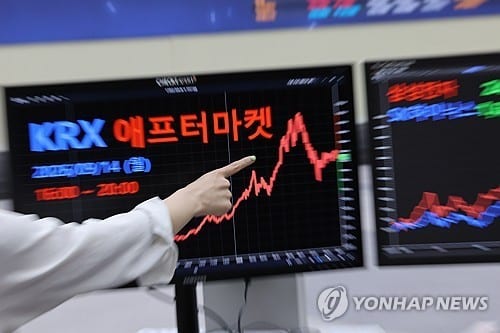
The increased activation of volatility controls in South Korea's new after-hours trading session highlights potential liquidity challenges and the need for careful market monitoring as the exchange seeks to expand trading opportunities.
The Korea Exchange (KRX) initiated its after-hours trading session on September 14, 2026, aiming to enhance global competitiveness and broaden trading opportunities. During the inaugural four-hour session, volatility interruption (VI) mechanisms were activated 1,637 times, a substantial increase from the 400 activations observed during the regular trading day. Excluding simultaneous static and dynamic VI triggers, the figures were 1,112 for after-hours and 391 for regular trading.
The VI mechanism temporarily switches a stock to a single-price auction for approximately two minutes when its price experiences a sharp movement, intended to curb excessive volatility. Market participants attributed the heightened volatility to reduced liquidity, a consequence of the KRX expanding the number of stocks available for after-hours trading to 2,459 from 606 on NXT's after-hours market. Most stocks listed on the Korea Composite Stock Price Index (KOSPI) and KOSDAQ markets were eligible, though exchange-traded funds and notes were excluded due to volatility concerns.
Despite the increased VI activations, the KRX reported that prices were generally stable. The average high-low volatility per stock during after-hours trading was 2.9% for KOSPI stocks and 4.6% for KOSDAQ stocks, which was lower than the 4.1% and 5.8% recorded during regular trading hours, respectively. The exchange stated it applied the same VI thresholds as the regular market to ensure stable operations, acknowledging that after-hours markets typically have lower liquidity and higher volatility.