Key facts
- Kazakhstan's August 23 parliamentary election finalized its new governmental system under a July constitution.
- The pro-presidential Adilet party secured over 71% of the vote in the election for the new Kurultai legislature.
Kazakhstan's recent parliamentary election and constitutional reforms are creating a more predictable environment for foreign investment and trade. The new political order is expected to enhance accountability and efficiency, opening doors for increased economic and strategic cooperation with the United States, particularly in critical minerals and transport connectivity.
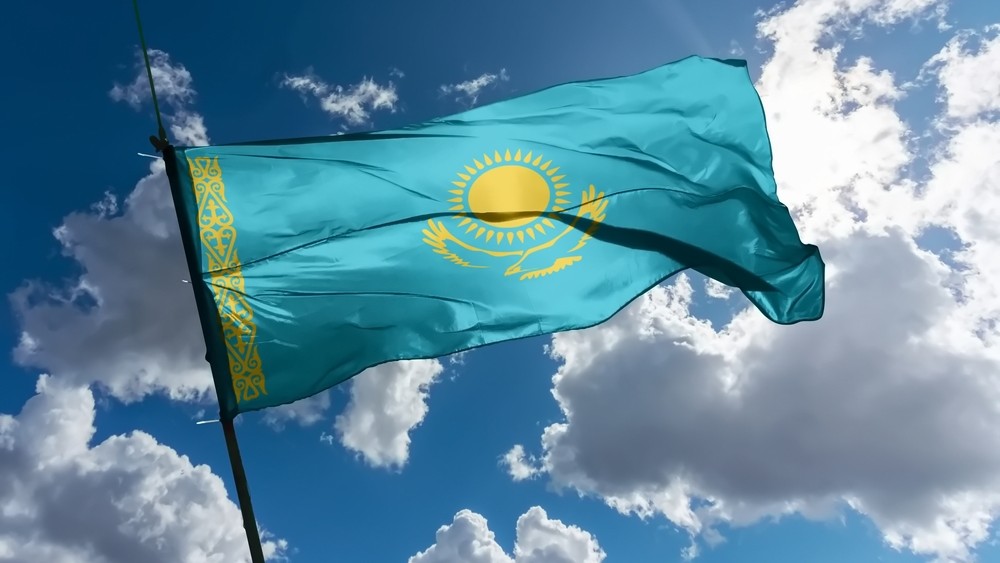
Kazakhstan's political reforms and its strategic location offer the United States new avenues for economic and strategic cooperation, particularly in diversifying critical mineral supply chains and developing alternative Eurasian transport routes, which could reshape global trade dynamics.
Kazakhstan's recent parliamentary election on August 23 has completed the formation of its new governmental system, following the implementation of a new constitution in July. This political development is seen as significant for expanding global trade, particularly for the United States.
The newly established unicameral legislature, the Kurultai, will be largely controlled by the pro-presidential party Adilet, which garnered over 71 percent of the vote. Four other parties will also hold seats in the parliament. The reforms initiated by President Kassym-Jomart Tokayev are designed to redistribute power among state institutions, streamline representation, and enhance the efficiency and effectiveness of the legislative process.
This institutional transformation coincides with a new phase in Kazakhstan's foreign policy engagement, especially with the United States. For Washington, these reforms signal the potential for a more structured and predictable political and legal environment, which is crucial for long-term economic and strategic cooperation. The constitutional changes present an opportunity for the Trump administration to intensify dialogue and strengthen bilateral relations, given that political stability and institutional predictability in Kazakhstan align with American business and strategic interests.
In recent months, there has been an increase in high-level contacts between the US and Kazakhstan, including political consultations and discussions on economic and investment initiatives, reflecting a trend towards pragmatizing bilateral interaction and bolstering economic ties. Kazakhstan's strategic location at the crossroads of China, Russia, the Caspian Basin, and South Asia, coupled with its significant natural resources and role in new Eurasian transport routes, presents numerous trade opportunities.
Key areas for enhanced cooperation include critical minerals, where the US aims to diversify supply chains for high-tech materials, and Kazakhstan seeks technology and investment for higher value-added industries. The development of the Middle Corridor, an emerging network of trans-Caspian trade routes, also represents a significant area of intersecting interests, offering Kazakhstan a way to leverage its geography and the US a means to increase supply chain resilience and expand Central Asia's market connections.
The development of the Middle Corridor will require substantial investment in infrastructure and attention to issues like the shrinking Caspian Sea, necessitating public-private partnerships and international financial institution involvement. Kazakhstan is actively working to improve conditions for such participation.
The US approach to Central Asia is evolving, viewing the region more as an independent economic and geopolitical area. The strengthening of Kazakhstan's national institutions is seen as creating broader space for long-term economic and political interaction with external partners.
With the formation of the new institutional architecture complete, the focus shifts to the Kurultai's legislative agenda. The new body is expected to address critical issues for investors, including legislation quality, investment protection, business development, public administration effectiveness, infrastructure policy, and economic modernization, aiming to demonstrate a clearer institutional framework for future engagement with international partners like the United States.
Pick the topics you care about. Get only what matters, on your cadence.