Key facts
- Businessman Yorgen Fenech was acquitted of masterminding the 2017 murder of journalist Daphne Caruana Galizia.
- The acquittal was decided by an eight-to-one jury majority.
- Daphne Caruana Galizia was killed in a car bomb attack in 2017.
- The verdict has drawn criticism from press freedom groups and dismay from the victim's family.
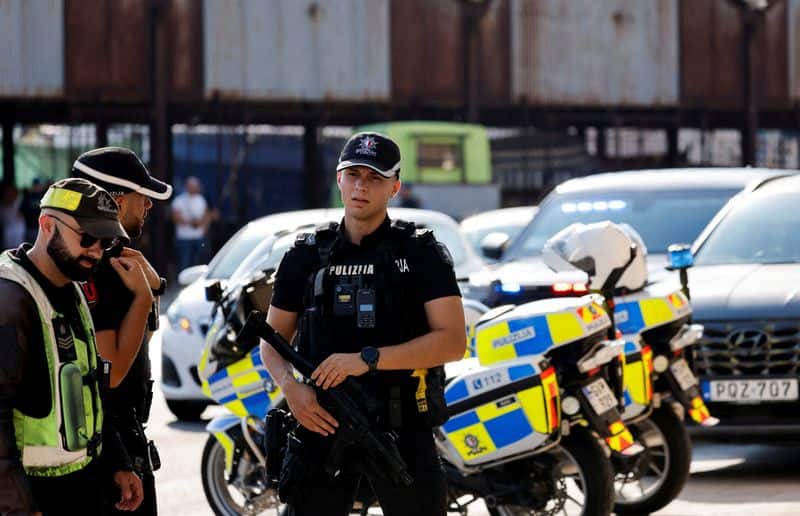
- Malta's government has urged calm following the outcome.
A Maltese jury acquitted businessman Yorgen Fenech of masterminding the 2017 car bomb murder of investigative journalist Daphne Caruana Galizia. The verdict, delivered by an eight-to-one majority, has angered the victim's family and drawn criticism from press freedom organizations.
Caruana Galizia was killed in a car bomb attack outside her home in October 2017, an event that triggered a political crisis in Malta and focused international attention on its police and judiciary. Three men have been convicted of carrying out the killing, and two others for supplying the bomb, and are serving jail sentences.
Prosecutors alleged Fenech wanted Caruana Galizia dead because she was about to reveal information about him. His defense pointed to Keith Schembri, former chief of staff to ex-Prime Minister Joseph Muscat, as a potential suspect. Muscat resigned in January 2020 due to the political fallout from the assassination.
Following the acquittal, Malta's government urged restraint in public comments, stating it "took note" of the trial's outcome. The opposition Nationalist Party held a silent demonstration, with leader Alex Borg calling for parliament to be recalled to discuss the verdict.