All NewsEducationTVBrokers
Equities & FundsCrypto & Digital AssetsAI & TechnologyBusiness & CorporateUS Politics & PolicyGeopolitics & Global RiskMacro, Rates & FXCommodities & EnergyEuropean Politics & MarketsAsia-PacificReal Estate & Property
All NewsHome
← Back to US Politics & Policy

Jenrick Refuses to Rule Out Bank Tax for Reform UK Agenda

Created at 3 Sep · 6:06 PM1 source↑ Market-relevant
IN SHORT

Robert Jenrick, Reform UK's Treasury spokesman, declined to rule out a potential banking tax, a policy mooted by party leader Nigel Farage. Jenrick suggested the Bank of England's interest payments on reserves could be ended, potentially saving taxpayers £40 billion.

Key Numbers

£40bnpotential taxpayer savings from ending Bank of England reserve interest payments
£80bnReform UK's planned spending cuts
100 daysJenrick's proposed timeline for holding a budget
£65bnrevenue increase by former Chancellor Rachel Reeves
£22.7bnHealey's projected headroom before Budget

Who's Involved

Robert Jenrick
Reform UK's Treasury spokesman, refused to rule out bank taxes
Nigel Farage
Reform UK leader, mooted banking tax and previously stated intent to tax banks
John Healey
Chancellor, expected by Jenrick to target banks for revenue
Richard Tice
Reform's deputy leader, critic of quantitative tightening
Louise Haigh
Chancellor of the Duchy of Lancaster, critic of quantitative tightening
Rachel Reeves
Former Chancellor, declined to hike taxes on banks
Jenrick Refuses to Rule Out Bank Tax for Reform UK Agenda

↳ Why This Matters

The potential for a banking tax could impact the profitability and operations of financial institutions, influencing investment decisions and potentially affecting broader economic stability. It also highlights Reform UK's fiscal priorities and approach to revenue generation.

Key facts

  • Robert Jenrick, Reform UK's Treasury spokesman, refused to rule out a banking tax.
  • Nigel Farage, Reform UK leader, has previously expressed a desire to tax banks.
  • Jenrick suggested ending the Bank of England's interest payments on reserves could save £40 billion.
  • Reform UK plans £80 billion in spending cuts, mainly through welfare reform.
  • Jenrick indicated the Bank of England's Monetary Policy Committee could include private sector members.

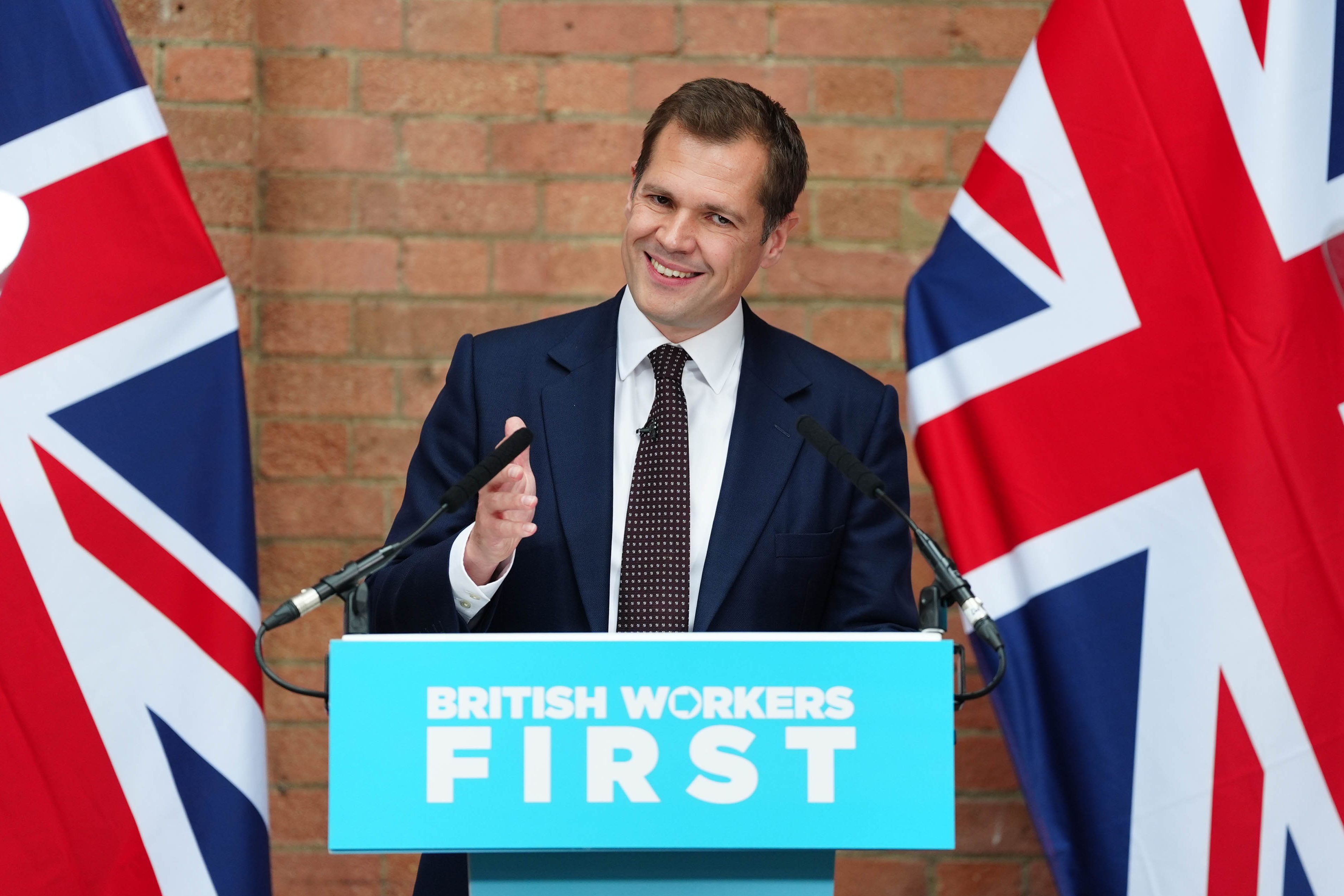
Robert Jenrick, Reform UK's Treasury spokesman, has not ruled out the possibility of a banking tax, a policy previously suggested by party leader Nigel Farage. Speaking at a Reform conference event, Jenrick indicated that while the party has not formally committed to such taxes, the idea of ending the Bank of England's interest payments on reserves, a move that could save taxpayers an estimated £40 billion, has merit.

Farage had previously stated his intention to tax banks, citing his personal experience of being de-banked by Coutts. Jenrick suggested that Chancellor John Healey might target banks in the upcoming Budget to raise revenue, describing their significant profits as "low hanging fruit." He also noted that Farage's concern was more about the Bank of England's reserve interest payments.

Jenrick also announced Reform UK's plan for £80 billion in spending cuts, primarily through welfare reform, and stated he would hold a budget within the first 100 days of entering government. He suggested that the Bank of England's Monetary Policy Committee could benefit from including members with practical experience from the private sector, rather than solely academic economists.

Former Chancellor Rachel Reeves had previously declined to increase taxes on banks, despite raising significant revenue. Speculation about banking taxes is increasing ahead of the Budget, with Chancellor Healey's financial headroom expected to be reduced due to the Iran war.

Frequently asked questions

A banking tax is a levy imposed on banks, typically based on their profits, assets, or liabilities, designed to raise government revenue or curb excessive risk-taking.

Nigel Farage stated he wanted to tax banks due to his personal experience of being de-banked by Coutts, a private bank.

These are interest payments made by the Bank of England to commercial banks on the reserves they hold at the central bank, often created during quantitative easing.

Reform UK plans £80 billion in spending cuts, primarily through welfare reform.

What Happens Next

01Reform UK to further develop its economic and tax policies.
02The next Budget will reveal if the current government targets banks for revenue.
03Further discussions on the composition of the Bank of England's Monetary Policy Committee are expected.

How It Developed

Robert Jenrick, Reform UK's Treasury spokesman, did not rule out a banking tax.
Jenrick stated the party has not committed to banking taxes.
He suggested ending the Bank of England's interest payments on reserves could save taxpayers £40 billion.
Nigel Farage previously stated he would tax banks due to his de-banking experience.
Jenrick announced plans for £80 billion in spending cuts, primarily through welfare reform.
Jenrick suggested the Bank of England's Monetary Policy Committee could benefit from private sector experience.

Sources

T1
‘Watch this space’: Jenrick refuses to rule out bank taxCity AM

Related Stories

Reform UK receives £4m from crypto billionaire pardoned by Trump
3 Sep · 12:13 PM
Healey's adviser warns against relying on government spending for economic growth
3 Sep · 1:51 PM
Badenoch proposes welfare cuts for £10bn defence spending boost
2 Sep · 9:06 PM
Andrew Griffith: Burnham 'making up stories' about my role in Truss Budget
3 Sep · 12:06 AM
Sadiq Khan car tax conviction withdrawn after being targeted by scam
3 Sep · 11:11 AM