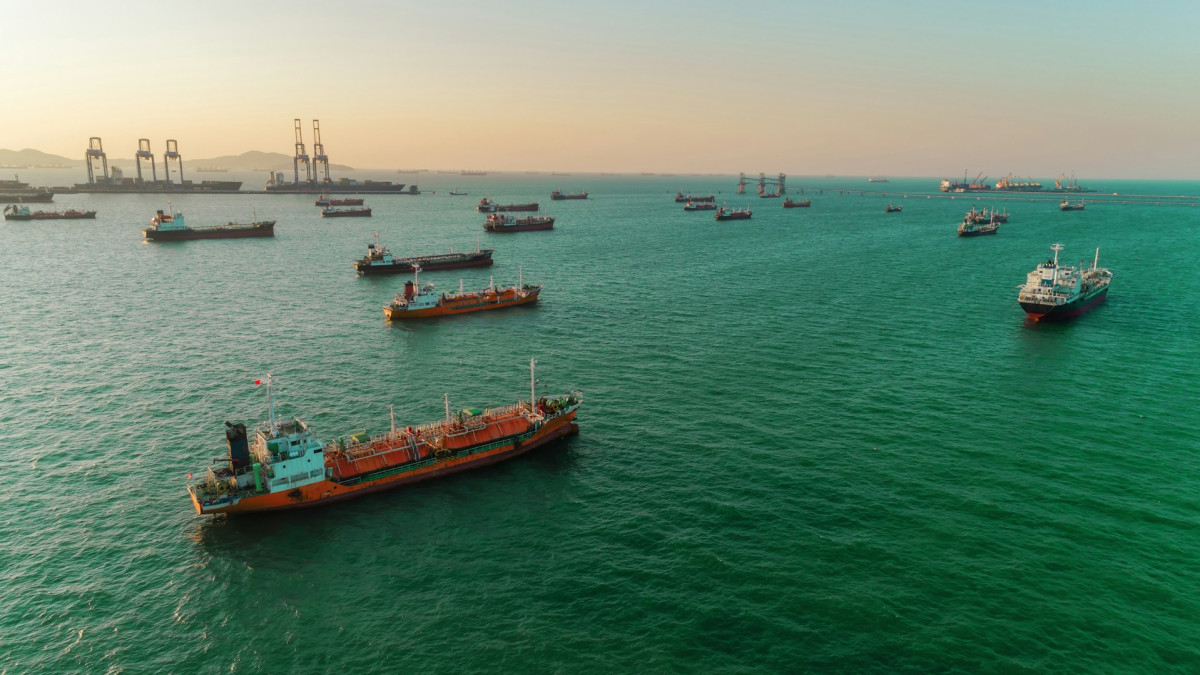
Japanese oil tankers are increasingly opting for ship-to-ship (STS) transfers in the Gulf of Oman to load crude cargoes for domestic refineries, a strategy to avoid transiting the Strait of Hormuz amid ongoing security concerns. This approach allows Japanese refiners to continue sourcing Middle Eastern crude while mitigating risks associated with the Strait.
For the past seven months, many Japan-linked tankers had steered clear of the Middle East, instead conducting STS transfers off India or Southeast Asia. Vessels that were previously trapped within the Persian Gulf managed to exit during a brief U.S.-Iran ceasefire in June and July when the Strait of Hormuz saw more open traffic.
Now, some of these vessels are returning to the Middle East, but their operations are focused outside the Persian Gulf. Data cited by Bloomberg indicates that Japanese ship owners and refiners have transferred higher volumes of crude via STS operations in the Gulf of Oman this month compared to similar transfers elsewhere on the route to Japan. The first such transfer involving Japan-bound cargoes in the Middle East took place in August and has seen a steady increase.
Japanese refiners and ship owners remain highly cautious about voyages through the Strait of Hormuz. Mitsui OSK Lines, a major tanker operator, has indicated that disruptions at the Strait are expected to persist longer than initially anticipated, with no return to normal conditions foreseen by the end of the year.