Key facts
- Japan may reduce gasoline subsidies from December.
Japan is considering reducing gasoline subsidies from December due to rising costs, potentially increasing the average price to $1.11 per liter. The government is also planning a tax cut for food and beverages in April to offset the impact.
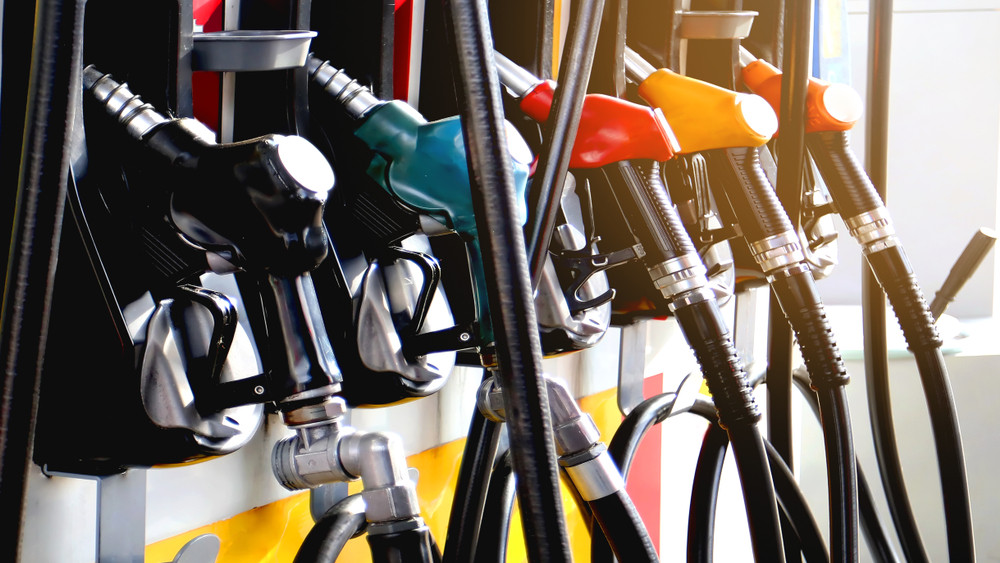
Japan's potential reduction in gasoline subsidies could lead to higher fuel costs for consumers and businesses, impacting inflation and consumer spending. The move reflects the strain of sustained high energy prices on government budgets and the broader economic vulnerability of import-dependent nations.
The Japanese government is considering reducing its financial support for retail gasoline prices starting in December due to the increasing cost of sustaining the subsidies. Introduced in March, the subsidies have been costing Tokyo billions of dollars monthly, aiming to maintain an average national price of $1.09 per liter. Discussions are underway to scale back these subsidies, which could lead to an average gasoline price of $1.11 per liter in December and $1.15 in January. To mitigate the impact on households, the government is also planning a tax cut for food and beverages to take effect in April next year. The current subsidies are drawing from an additional $19 billion budget approved in May to protect the nation from soaring international energy prices, but ongoing geopolitical tensions in the Middle East are straining these measures.
Pick the topics you care about. Get only what matters, on your cadence.