Key facts
- Japan and the U.S. are aligned on foreign exchange policy and aim for stable markets.
- The yen has rallied significantly, reaching its strongest level against the dollar since February.
- This yen appreciation is disrupting the carry trade, a strategy involving borrowing low-cost yen to invest elsewhere.
- Market expectations indicate a high probability of a Bank of Japan interest rate hike next week.
- U.S. Treasury Secretary Scott Bessent stated the U.S. can use its financial power for foreign policy goals, including supporting allies like Argentina.
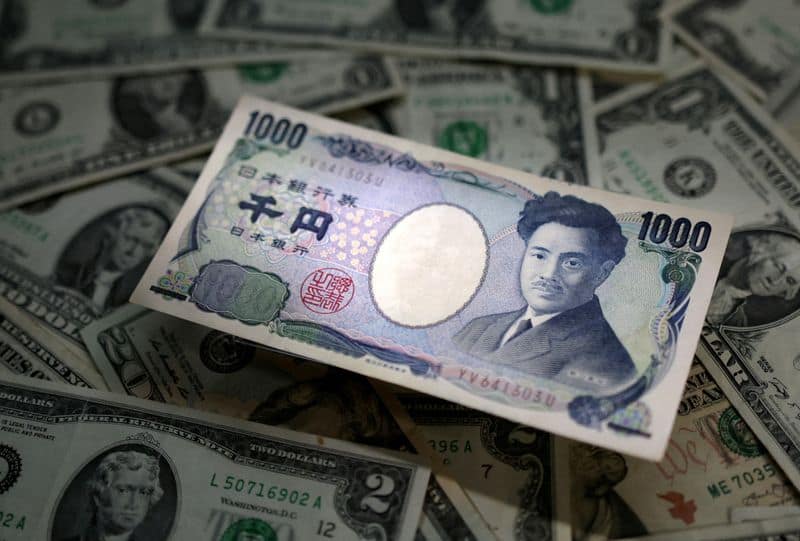
Japan and the United States are aligned on foreign exchange policy, with both nations committed to maintaining close communication to ensure stable market conditions. This stance remains consistent following a joint intervention in late July to support the yen, which has recently experienced a significant rally, reaching its strongest level against the dollar since February.
The yen's rapid appreciation is disrupting the established and lucrative carry trade, a strategy involving borrowing low-cost yen to invest in higher-yielding assets. This unwind is occurring even before the Bank of Japan (BOJ) is expected to deliver an interest rate hike, a move that analysts suggest could further accelerate the unwinding of leveraged positions.
Cross-border yen borrowing, a proxy for the carry trade, surged to a record 360 trillion yen ($2.35 trillion) as of March, according to a Bank for International Settlements analysis. The yen firmed to 152.89 per dollar on Tuesday, a sharp reversal from around 160 just a week prior. This move has been broad-based, with the yen gaining nearly 5% against currencies like the Mexican peso and Turkish lira in September.
U.S. Treasury Secretary Scott Bessent stated that the U.S. can use its financial power for foreign policy goals, including advancing the interests of American allies. He cited Argentina as a front-runner for such support, referencing a multibillion-dollar package provided to stabilize its currency and bolster President Javier Milei's government. Bessent also noted the U.S. joined Japan in a rare joint yen-buying intervention on July 31, signaling a determination to prevent a selloff in the yen and Japanese government bonds from spilling over into global markets.
Market participants are closely watching upcoming central bank meetings, with a 97% probability assigned to the BOJ raising its key interest rate by 25 basis points to 1.25%. Some strategists believe that further yen strength could push USD/JPY toward the mid-140s, given the substantial outstanding short positions. However, analysts also note that expectations for the BOJ's actions might be high, and any disappointment could rapidly weaken the yen again.