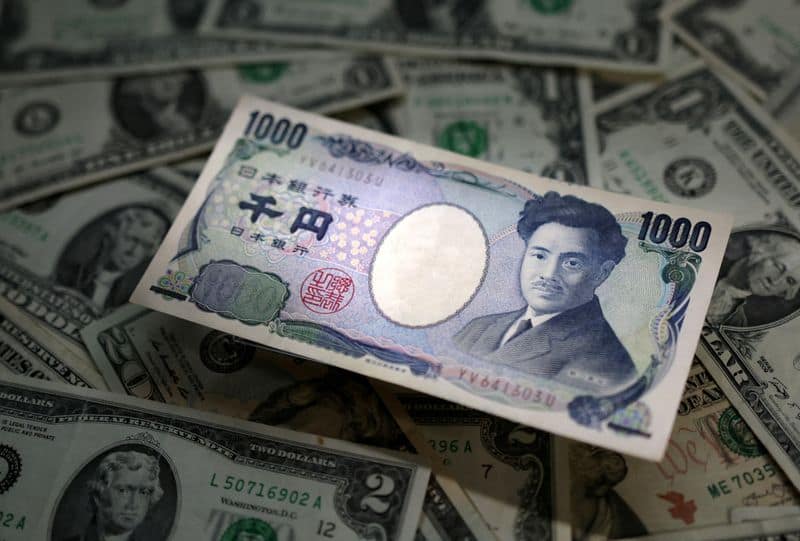
Key facts
- Japan's foreign reserves decreased by a record $79.6 billion in August.
- Total reserves at the end of August were $1.208 trillion.
- The drop was primarily due to intervention to support the yen.
- Japan spent 15.4 trillion yen ($98.66 billion) on intervention in late July and August.
- The intervention helped the yen recover from 40-year lows against the dollar.
Japan's foreign reserves experienced their largest-ever decline in August, falling by $79.6 billion to $1.208 trillion. This significant drop resulted from record intervention efforts by the Japanese government to counteract the persistent weakness of the yen. The Ministry of Finance data revealed that the decrease was largely due to the sale of foreign securities, predominantly U.S. Treasuries.
In late July and August, Japan spent approximately 15.4 trillion yen, equivalent to $98.66 billion, on currency intervention. This marked the largest single-month intervention operation on record. These actions helped to strengthen the yen from its 40-year low near 164 per dollar to around 155.20 by August 3, although it later weakened before recovering slightly.
Notably, part of the intervention was conducted jointly with the United States, the first such coordinated action since 2011. To address concerns about the sustainability of such large-scale interventions, Tokyo and Washington highlighted Japan's access to a Federal Reserve backstop facility. This facility, introduced during the COVID-19 pandemic, allows Japan to secure dollar liquidity without directly selling U.S. Treasuries, potentially easing funding pressures.