Key facts
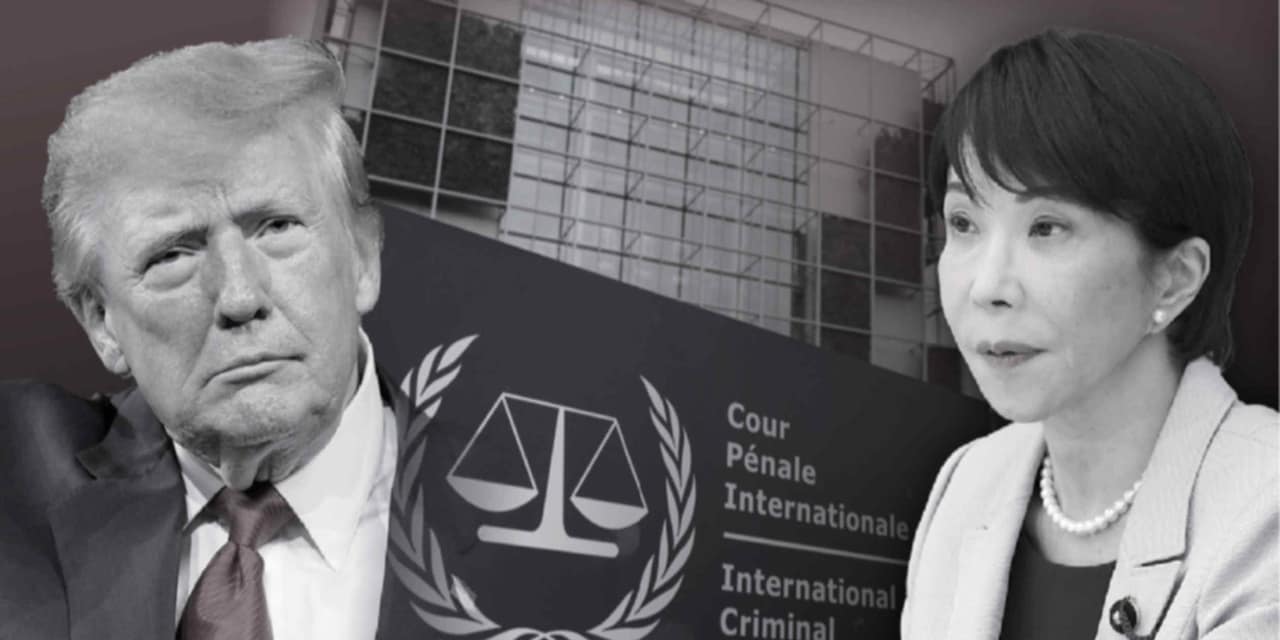
- Japan is seeking to de-escalate planned U.S. sanctions against the International Criminal Court.
- The U.S. sanctions are set to take effect after a 180-day grace period.
- Japan's Prime Minister Sanae Takaichi discussed the ICC with U.S. President Donald Trump in September.
- Chief Cabinet Secretary Minoru Kihara stated Japan is "deeply concerned" by the U.S. measures.
- The Bureau of the Assembly of States Parties, representing ICC member states, criticized the sanctions.
- The U.S. has already sanctioned 13 ICC judges and prosecutors since February 2025.
Japan is seeking a diplomatic off-ramp from planned U.S. sanctions against the International Criminal Court (ICC), leveraging a 180-day delay before the measures are implemented. Prime Minister Sanae Takaichi directly discussed the issue with U.S. President Donald Trump in September.
Chief Cabinet Secretary Minoru Kihara stated on October 11 that Japan was "deeply concerned" by the Trump administration's sanctions, adding that "Japan’s consistent position is incompatible with the latest U.S. measures." Kihara indicated that Foreign Minister Toshimitsu Motegi and U.S. Secretary of State Marco Rubio would continue discussions on the matter.
The Trump administration announced on October 9 that the ICC itself would be subject to sanctions after the 180-day grace period. These measures would prevent the court from conducting business with U.S. companies. The administration has already sanctioned 13 ICC judges and prosecutors, including ICC President Tomoko Akane, since February 2025.
Countries supporting the ICC, including Japan, have criticized the U.S. sanctions. In a statement released on October 10, the Bureau of the Assembly of States Parties, representing ICC member states, called for the immediate withdrawal of the sanctions, stating they "aim to directly challenge an international legal institution painstakingly built to ensure that accountability, not impunity, prevails." The bureau affirmed its support for the court, its officials, and those who contribute to its mandate.
Court officials fear the sanctions could disrupt investigations, trials, and the payment of reparations to victims, as the ICC relies on U.S.-made systems for various operational functions.