Key facts
- 26.8% of Japanese respondents see the US as the biggest threat to world peace.
- China was cited by 32.5% of respondents as the biggest threat.
- Russia was named the biggest threat by 18.3% of respondents.
- 82.5% of respondents believe US President Donald Trump has a negative impact on the world.
- 76.7% of respondents have a sense of crisis about a potential Taiwan contingency.
A growing number of Japanese now view the United States as the greatest threat to world peace, surpassing China and Russia, according to a new survey. The annual poll, released by the Japan Press Research Institute on Saturday, found 26.8% of respondents named the US as the biggest threat to global peace, an increase of 9.3 percentage points from the previous year.
China was cited by 32.5% of respondents as the biggest threat, up 8.2 percentage points from last year. Russia, which topped the list in previous surveys, slipped to third place with 18.3%. North Korea remained fourth with 9.1%, and Iran was chosen by 1.9%.
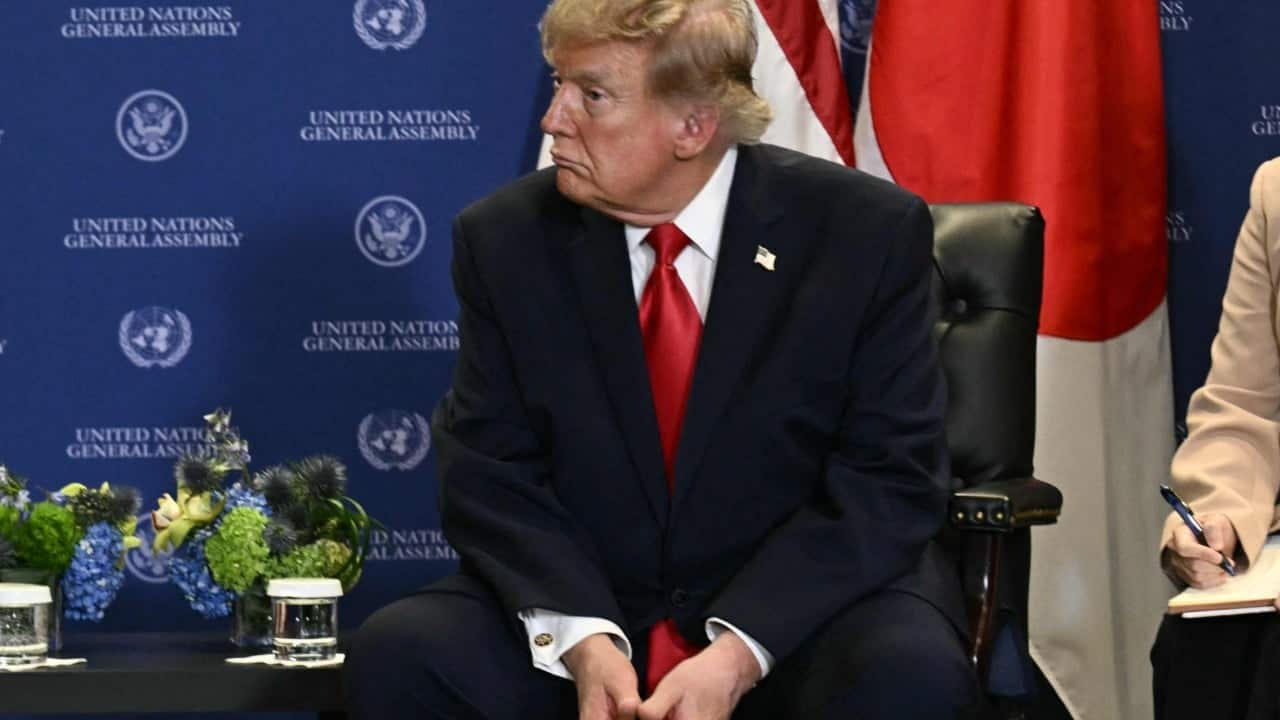
An official from the institute attributed the expanding recognition of the US as a threat to the unpredictability of actions by U.S. President Donald Trump. The survey indicated that 82.5% of respondents believe Trump is having a negative impact on the world, while 13.2% think he is having a positive impact.
The survey, conducted between July 17 and August 16, covered 5,000 people aged 18 or over across Japan, with 2,676 valid responses. Participants were asked to select one of eight choices for the country posing the greatest threat to world peace.
Japanese media have paid particular attention to the recent China-U.S. summit and references made by Trump and Xi Jinping. Prime Minister Sanae Takaichi met with Trump before his meeting with Xi, exchanging views on issues concerning China and emphasizing the importance of U.S.-China relations for international stability. Following the summit, Takaichi stated that Trump had provided a detailed explanation of the meeting, highlighting the significance of their back-to-back meetings as a demonstration of the Japan-U.S. alliance's strength.