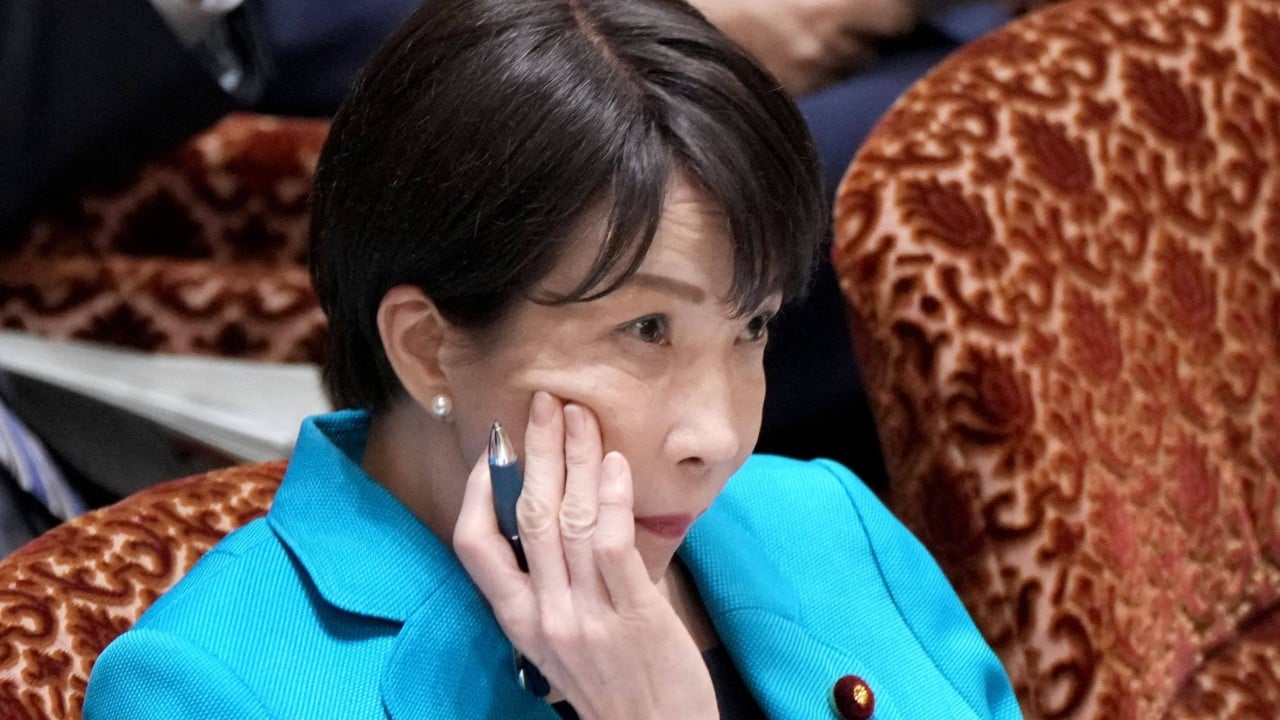
As Prime Minister Sanae Takaichi prepares to attend the G7 meeting in France, Japan's approach to Russia is likely to be a point of discussion. While European Union and NATO nations maintain a united front against Russia's aggression in Ukraine, Japan has pursued a different strategy, including diplomatic outreach and continued energy imports.
Senior officials from Japan's foreign and trade ministries visited Moscow in May for a two-day meeting with their Russian counterparts. Representatives from the Japan Business Federation were also present, though five major Japanese business conglomerates were invited but did not join the mission. Foreign Minister Toshimitsu Motegi defended the engagement, stating the importance of maintaining contact even during conflict.
Further complicating the diplomatic landscape, Muneo Suzuki, a politician from the ruling Liberal Democratic Party, has been attempting to arrange a meeting between the Japanese and Russian foreign ministers in July and visited Moscow last month for discussions. Local media also reported that Japan is nearing an agreement with the United States to extend an exemption allowing continued imports of crude oil and liquefied natural gas from Russia's Sakhalin 2 project. This pursuit of Russian energy comes as Japan seeks to secure its energy needs amidst renewed conflict in the Middle East.