Key facts
- Japan plans to finalize its basic policy on foreign residents by March 2027.
- Permanent residency application fees have increased 20-fold to 200,000 yen.
- New requirements for permanent residency include above-average income and basic Japanese language proficiency.
- The foreign resident population in Japan surpassed 4.12 million at the end of 2025.
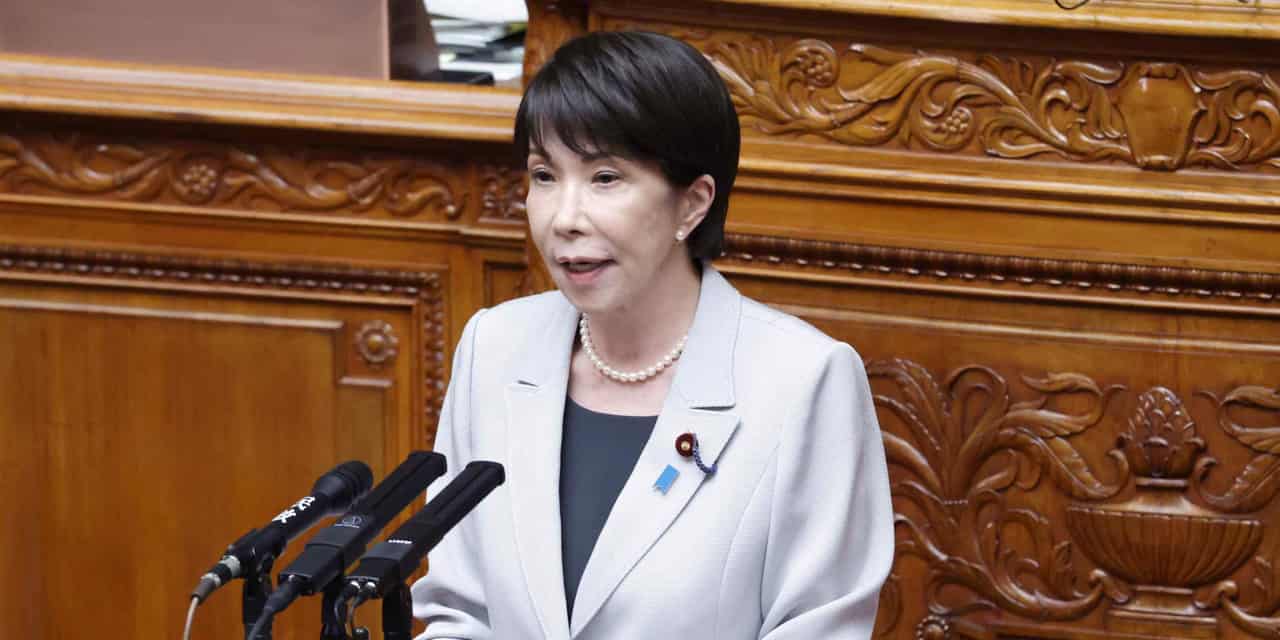
- Prime Minister Sanae Takaichi has made managing immigration a key priority.
Japan's government is set to establish a fundamental policy regarding foreign residents by March 2027, a move driven by Prime Minister Sanae Takaichi's efforts to balance the nation's need for a workforce with concerns about social integration. This policy development follows a series of stricter immigration measures, including a significant 20-fold increase in fees for permanent residency applications, now set at 200,000 yen ($1,270).
New requirements for those seeking permanent residency now mandate an annual income at or above the Japanese average, expected pension benefits equivalent to 30 years of enrollment in the employee pension system, and basic Japanese language proficiency. These changes, implemented in stages starting October 1, 2026, aim to manage Japan's rapidly growing foreign population, which surpassed 4.12 million at the end of 2025, marking a record 9.5% increase from the previous year. The government also increased visa fees by five-fold earlier in the year.
Prime Minister Takaichi has acknowledged public concerns, stating the government is working towards "orderly coexistence" for both Japanese citizens and foreign residents. However, the new measures have drawn criticism from some foreign residents who feel they are being treated unfairly, facing higher costs and stricter requirements. Experts and business leaders caution that Japan must welcome more foreign workers to sustain its economy, given its low birth rate and aging population.