Key facts
- The death toll from a powerful earthquake in Japan's Kumamoto prefecture has risen to 30.
- At least 62 people have been injured.
- Thousands of residents are in shelters, facing intense heat.
- Rescue efforts are ongoing at collapsed buildings, including a shopping center and a paper mill.
- Significant infrastructure damage has left many homes without electricity and running water.
- Aftershocks are hampering rescue operations.
The death toll from a powerful 6.8-magnitude earthquake that struck Japan's southern island of Kyushu has risen to 30, with search efforts continuing for survivors trapped in damaged buildings. At least 62 people have been injured.
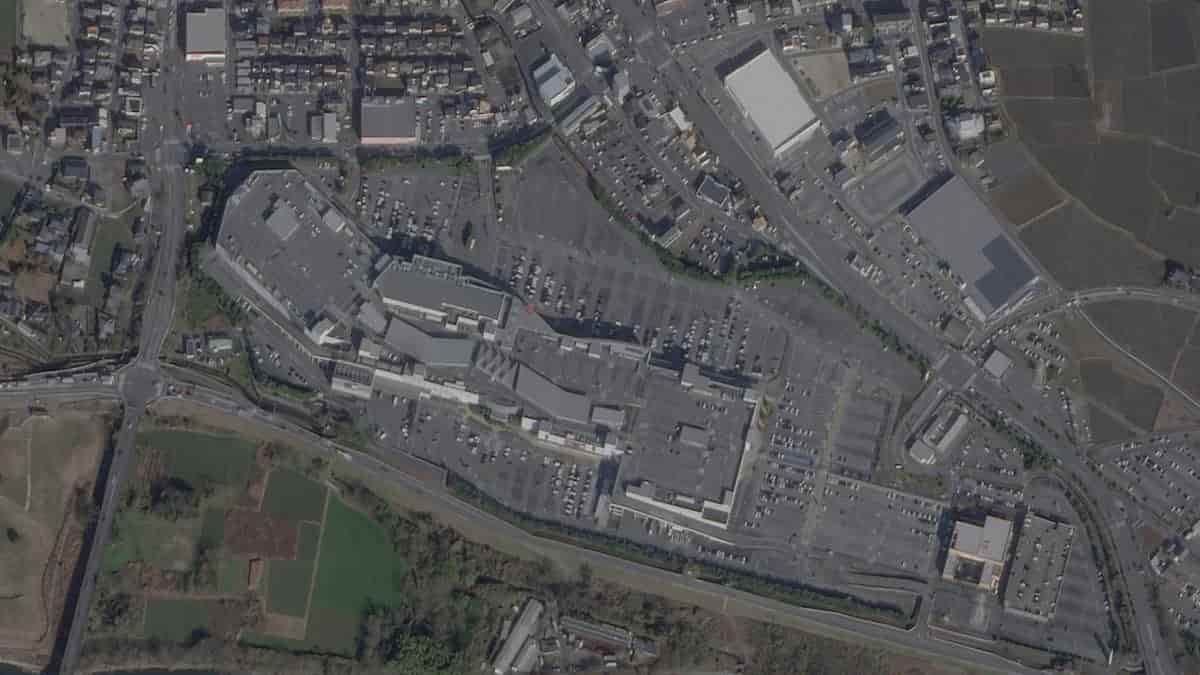
Rescue operations are focused on a badly damaged shopping center in Kashima and a paper mill in Yatsushiro, where a chimney collapsed. A gas explosion occurred at the Aeon shopping center after thousands of customers had been evacuated, resulting in six fatalities among shop workers who had returned to the building. At the Nippon Paper mill, eight of ten trapped workers died.
The earthquake caused widespread infrastructure damage, leaving nearly 23,000 homes without electricity and 75,000 without running water. Approximately 15,000 people have been evacuated to 400 shelters.
Rescue workers, including nearly 5,000 Self-Defence Forces personnel, are contending with temperatures up to 35C, with forecasts predicting nearly 40C. A 5.8-magnitude aftershock overnight further complicated rescue efforts.
Parts of the ground reportedly shifted by 87cm. Several car and semiconductor manufacturers, including Toyota and Honda, have halted production at plants in Kyushu, an important hub for the automotive and semiconductor industries which account for about 20% of the region's industrial output. TSMC has resumed operations at its Kumamoto facility, while Sony, Renesas Electronics, and Tokyo Electron have halted production.