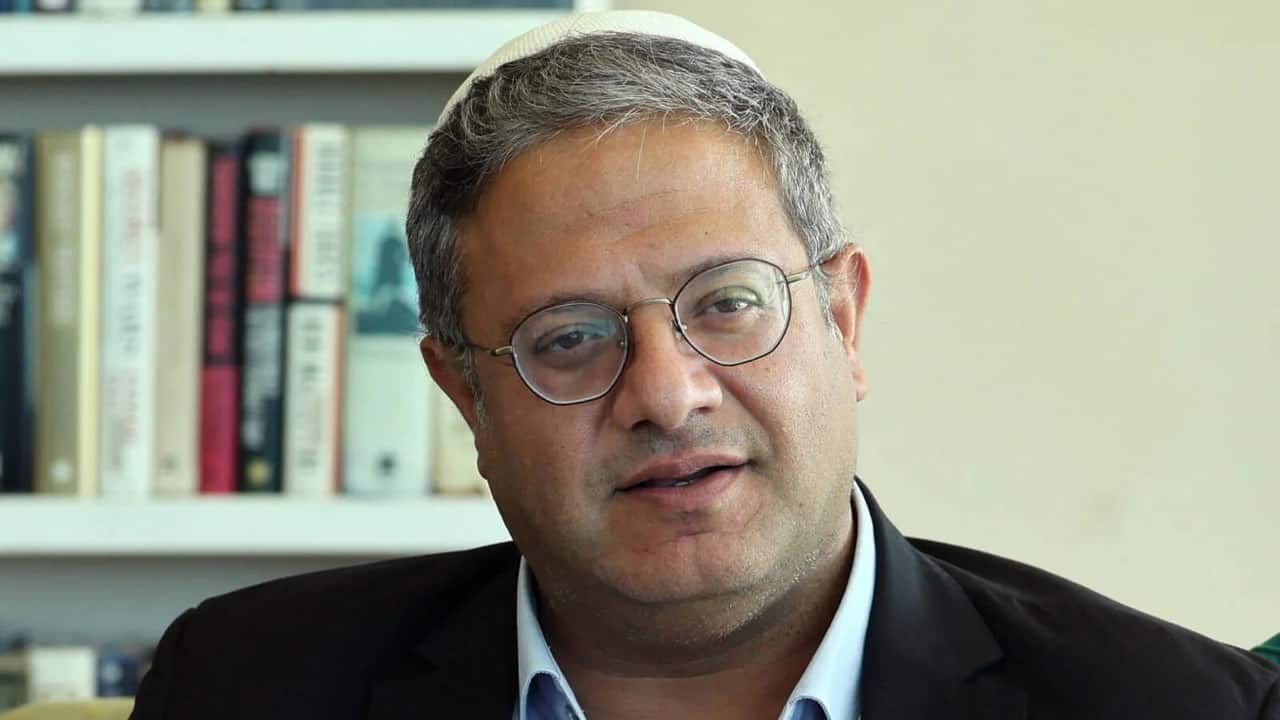
Key facts
- Itamar Ben Gvir has risen from a former youth activist to Israel's national security minister.
- He has been associated with far-right and outlawed movements, including Kach.
- Ben Gvir has expressed admiration for Baruch Goldstein, who committed a massacre in Hebron.
- He has faced multiple convictions for supporting terrorism and racist incitement.
- Ben Gvir is considered essential for Prime Minister Benjamin Netanyahu's government to remain in power.
Itamar Ben Gvir, once considered too extreme for Israel's political mainstream, has risen to become the country's national security minister and a key figure in Prime Minister Benjamin Netanyahu's government. His ascent is attributed to his past activism, controversial rhetoric, and affiliations with far-right movements, including the outlawed Kach party.
Born in Jerusalem in 1976, Ben Gvir became politically active during the First Intifada. He joined the youth wings of the Moledet and later the Kach parties, which advocated for the expulsion of Palestinians and the annexation of occupied territories. Ben Gvir has expressed admiration for Baruch Goldstein, a Kach activist who committed a massacre in Hebron, and has been associated with the Kach movement, which he sees as a predecessor to his own party, Otzma Yehudit.
Ben Gvir's public profile grew in the mid-1990s during protests against the Oslo Accords, where he was arrested multiple times. He was exempted from military service due to his views and attended the Haraayon Hayehudi yeshiva, which focused on radical right-wing ideology. In 1995, he appeared on national television, making remarks that were seen as threatening towards Prime Minister Yitzhak Rabin, who was assassinated weeks later by an extremist.
Despite facing numerous indictments and at least 13 convictions for offenses including supporting terrorism and racist incitement, Ben Gvir obtained his law license in 2012. His political influence has grown significantly, making him indispensable to Netanyahu's coalition. His actions and rhetoric, particularly concerning Palestinians, have drawn international condemnation and bans from several countries, yet he remains a central figure in Israeli politics.