Key facts
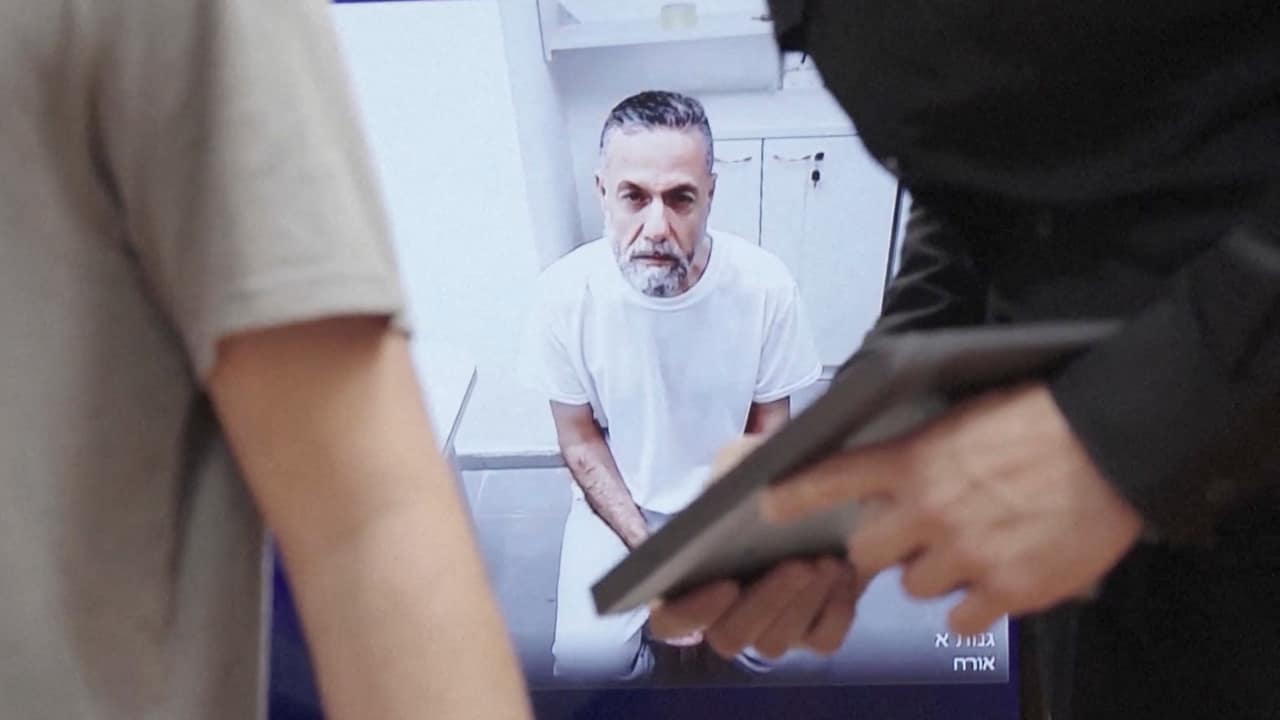
- An Israeli rights group is petitioning a court for an independent health exam for a detained Palestinian doctor.
- A report by Physicians for Human Rights Israel warns that Israeli policies have pushed the West Bank's health system to the brink of collapse.
- Israel has withheld at least $2.5 billion in tax and customs revenues from the Palestinian Authority since 2023.
- The PA's financial difficulties have caused 75% of public health facilities to reduce operations.
- Increased Israeli checkpoints and roadblocks are impeding Palestinians' access to medical care.
An Israeli rights group is petitioning a court for an independent health examination for a Palestinian doctor detained without charges. Meanwhile, a report released by Physicians for Human Rights Israel (PHRI) warns that Israeli policies have pushed the West Bank's healthcare system to the brink of collapse, affecting hundreds of thousands of Palestinians.
Since the war in Gaza began, Israel has withheld billions of dollars in tax and customs revenues from the Palestinian Authority (PA), crippling its ability to fund healthcare. This has led to health workers not being paid, resulting in 75% of public health facilities reducing operations and functioning only once or twice a week. The PA relies on Israel to collect these revenues, but rights groups accuse Israel of using the funds as political pressure.
Israeli Finance Minister Bezalel Smotrich stopped sending monthly clearance revenues to the PA last year, and as of June, Israel had withheld at least $2.5 billion since 2023. Palestinian Health Minister Majed Abu Ramadan stated that unpaid staff are not showing up to work, causing backlogs and delayed surgeries. Some primary healthcare centers have closed, and doctors have gone on strike.
Patients with chronic conditions like cancer, kidney, and heart problems, as well as the elderly and displaced individuals, are among the most affected. PHRI's mobile clinics have seen patient numbers double in the last two years, with hundreds seeking treatment daily. Aid agencies like UNRWA also report an increase in patients but face funding shortages and Israeli restrictions on importing medications.
Further exacerbating the situation are harsher Israeli restrictions on freedom of movement in the West Bank, with new barriers, checkpoints, and roadblocks impeding access to care. These restrictions have led to critical incidents, including women giving birth at checkpoints, with one baby stillborn.