Key facts
- Israeli forces conducted detonations in Haddatha and Baraachit in southern Lebanon.
- Israeli drones were reported flying over Tyre.
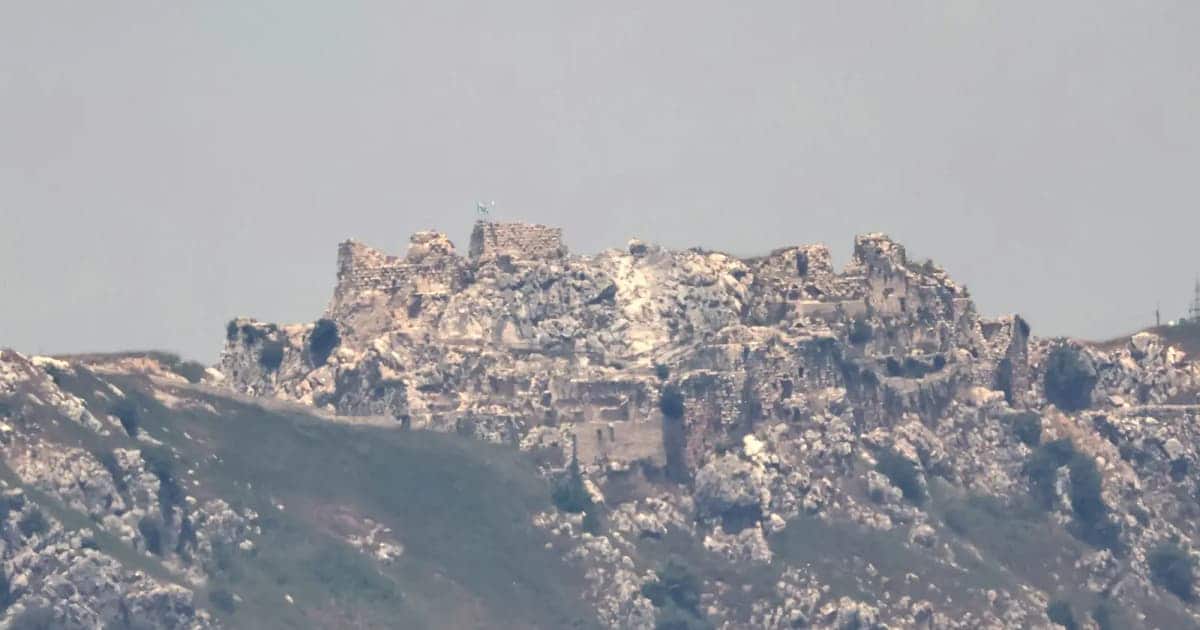
- Explosions were heard near Beaufort Castle in southern Lebanon.
- Israel claims to have destroyed Hezbollah tunnels in the Beaufort area.
- Hezbollah launched rockets at Israel on March 2, 2026, initiating a wider conflict.
- Israel has issued widespread evacuation orders and conducted bombing campaigns in southern Lebanon.
- A ceasefire was established on April 17, 2026, but sporadic violence continues.
Israeli forces carried out detonations in the southern Lebanese towns of Haddatha and Baraachit early Thursday, according to the National News Agency. The state news agency also reported Israeli drones flying over Tyre.
In a separate incident, Israeli forces triggered powerful explosions near the Crusader-era Beaufort Castle in southern Lebanon overnight. Prime Minister Benjamin Netanyahu and Defense Minister Israel Katz announced that the army had destroyed "terror tunnels in the Beaufort area" using approximately 700 tonnes of explosives. They stated the explosions followed a "blatant violation of the ceasefire agreement" by Hezbollah on Wednesday, accusing the group of launching an explosive drone.
The conflict escalated on March 2, 2026, when Hezbollah launched rockets at Israel, prompting a massive bombing campaign and ground offensive by the Israeli military. Israel issued forced evacuation orders for over 100 villages near the border, eventually expanding these orders to cover roughly 14.3% of Lebanon's territory and displacing over 1.2 million people. The Israeli military also bombed bridges crossing the Litani River, targeting infrastructure used by Hezbollah. Despite a ceasefire agreement brokered by the United States and signed last month, Israel continues to carry out strikes and artillery shelling in southern Lebanon, and its army occupies areas extending about ten kilometers into Lebanese territory. Hezbollah has not claimed responsibility for attacks since June 20, 2026.