)
Key facts
- Israel plans an indefinite military presence in southern Lebanon, Syria, and Gaza.
- Prime Minister Benjamin Netanyahu and Defense Minister Israel Katz announced the indefinite presence.
- Netanyahu stated forces will remain in Lebanon until Hezbollah disarms.
- Israel currently controls about 60% of Gaza, with plans to increase control to 70%.
- Senior Israeli security officials discussed encouraging Palestinian 'voluntary emigration' from Gaza.
Israeli Prime Minister Benjamin Netanyahu and Defense Minister Israel Katz have announced that Israeli troops will maintain an indefinite military presence in southern Lebanon, Syria, and the Gaza Strip. The statements were made during a graduation ceremony for combat officers in southern Israel.
Netanyahu stated that Israel dominates southern Lebanon and will remain in the security zone as long as required, indicating no intention to withdraw. He also said Israel will remain in southern Lebanon "as long as Lebanon does not disarm." Katz echoed this sentiment, asserting that the Israeli military will remain in security zones in Lebanon, Syria, and Gaza without a time limit, and expressed opposition to withdrawal from Lebanon despite existing and future pressures.
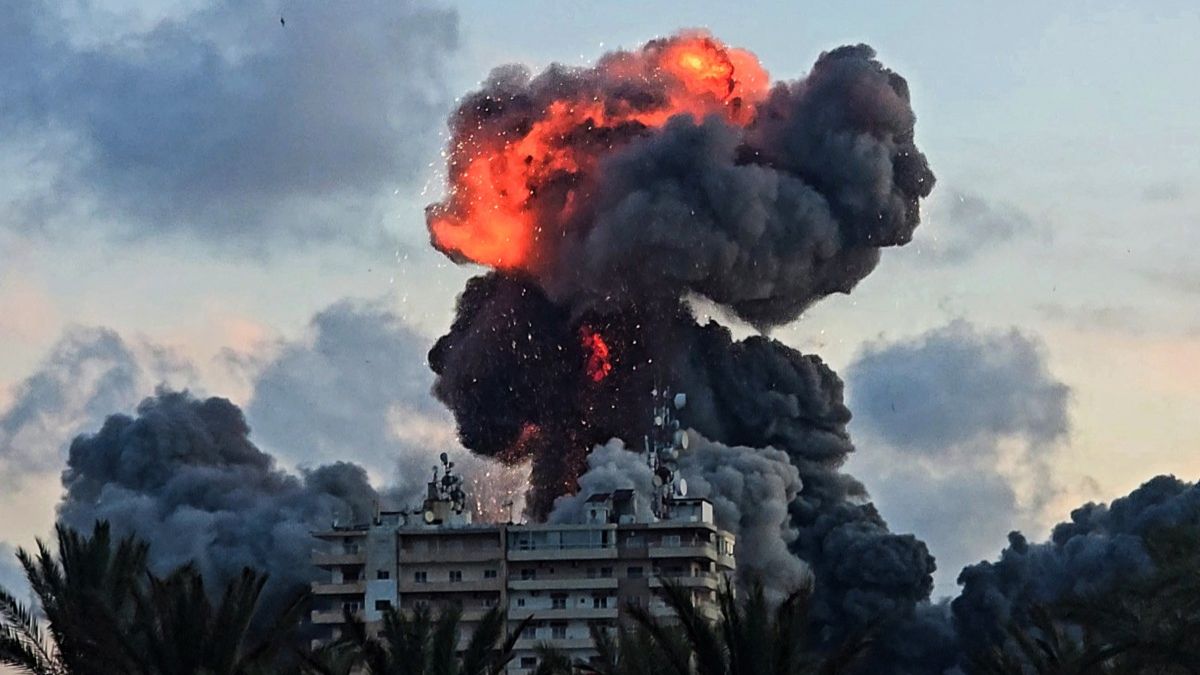
Katz also issued a warning to Iran, stating that if Iran attacks Israel due to activities in Lebanon or any other reason, Israel will retaliate forcefully. The Israeli military continued operations in southern Lebanon, with reports of bulldozing and burning homes in Markaba, air strikes in Mayfadoun, and a clash with a Hezbollah fighter in Beit Yahun.
In Syria, Israel continues to occupy the strategic heights of Mount Hermon. Israeli forces have conducted over 1,000 air strikes and 400 ground incursions in Syria.
Meanwhile, senior Israeli security officials reportedly met to discuss encouraging 'voluntary emigration' from Gaza. However, Mossad representatives indicated that no country has yet agreed to accept Palestinians from Gaza. Last month, Netanyahu ordered the army to occupy 70 percent of Gaza, expanding control from an initial 53% to approximately 60% since an October ceasefire.