Key facts
- Israeli forces will remain in "security zones" in Lebanon, Syria, and Gaza indefinitely.
- Defence Minister Israel Katz stated the purpose is to protect residents from "jihadist elements."
- The forces occupy the Jabal al-Sheikh area, overlooking Damascus and the Bekaa Valley.
- Katz issued a warning to Iran against attacking Israel.
- A peace agreement framework between Israel and Lebanon was signed on June 26.
- Israel insists on Hezbollah's disarmament before withdrawing troops from southern Lebanon.
Israeli Defence Minister Israel Katz announced that Israeli forces will maintain an indefinite presence in "security zones" within Lebanon, Syria, and Gaza, citing the need to protect Israeli residents from "jihadist elements." During a visit to the Jabal al-Sheikh area, also known as Mount Hermon, Katz emphasized its strategic importance, noting its proximity to Damascus and overlooking the Bekaa Valley and Hezbollah strongholds.
Katz conveyed a clear message to Syrian President Bashar al-Assad, stating that the presence of Israeli forces on Mount Hermon serves as a constant reminder of Israel's commitment to protecting its communities and borders. He also issued a stern warning to Iran, vowing a forceful response if the Islamic republic were to attack Israel in retaliation for its operations in Lebanon.
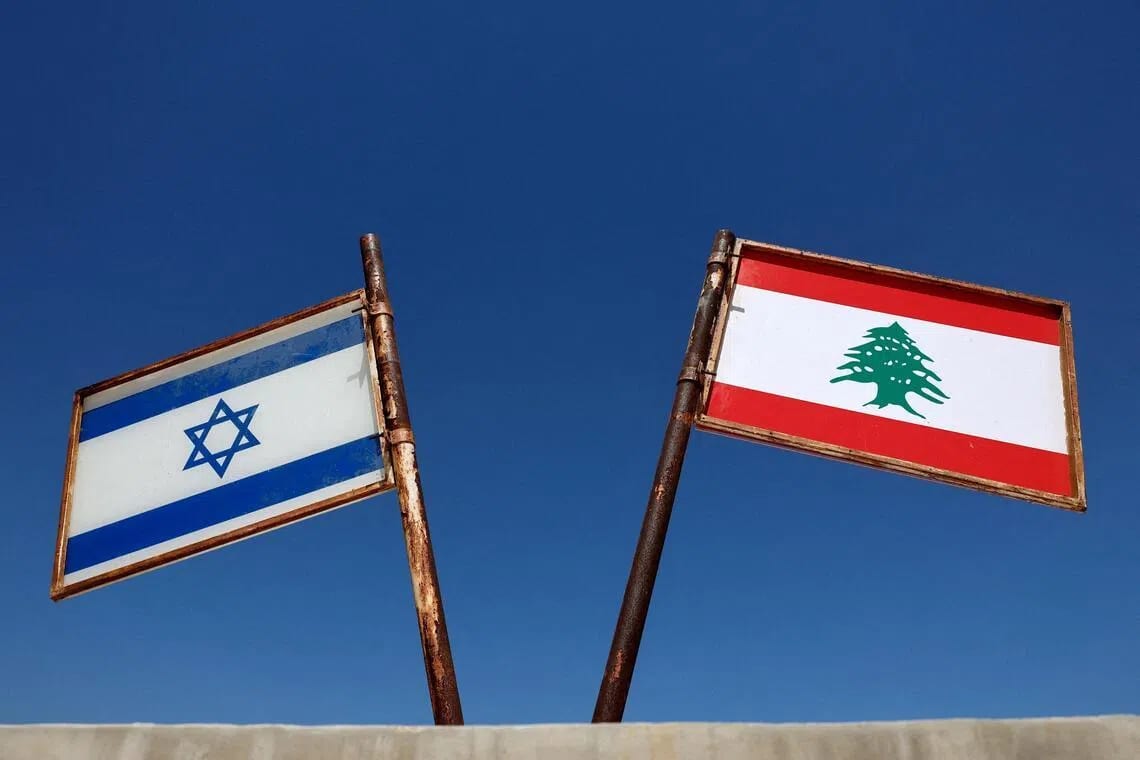
The announcement comes shortly after Israel and Lebanon signed a US-sponsored framework agreement on June 26 aimed at establishing peace and disarming Hezbollah. Israeli officials, including Prime Minister Benjamin Netanyahu, have consistently stated that any troop withdrawal from southern Lebanon is contingent upon the disarmament of Hezbollah. The region has seen ongoing clashes between Israeli forces and Hezbollah fighters since early March, following rocket fire from Lebanon into Israel. Lebanon's health ministry reports nearly 4,300 Palestinian deaths since the conflict began, while the Israeli military has reported 38 soldiers and one civilian contractor killed.
Israel has also conducted numerous incursions and bombings in Syria, aiming to establish a demilitarized zone in the country's south. In Gaza, Israeli forces currently occupy approximately 70% of the territory, with both Hamas and the Israeli military accusing each other of violating the ceasefire that has been in effect since October 2025.