Key facts
- A new crude oil pipeline from Iraq to Syria is planned to bypass the Strait of Hormuz.
- The project is estimated to cost at least $15 billion and take four years to build.
- A consortium including Chevron is conducting feasibility studies for the pipeline.
- New infrastructure is required, as the existing pipeline is too damaged and incompatible.
- The U.S. supports the project to reduce reliance on the Strait of Hormuz.
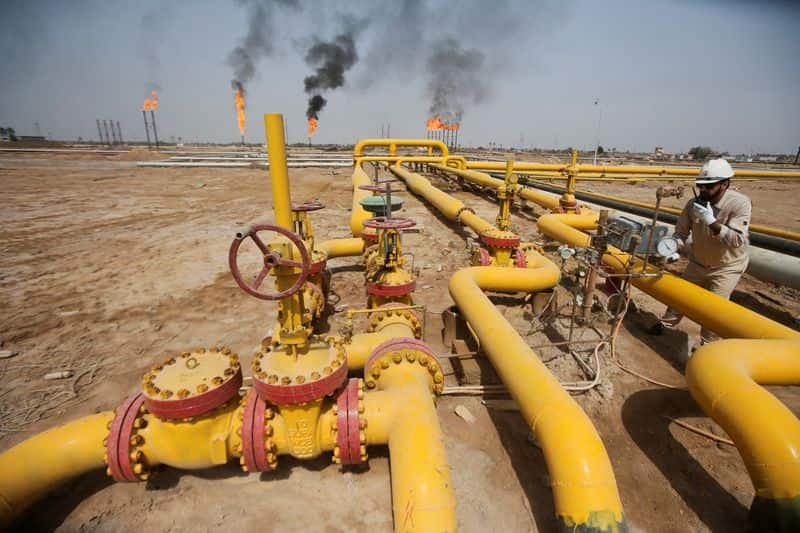
Iraq's plan to construct a new crude oil pipeline through Syria to bypass the Strait of Hormuz is projected to take at least four years and cost upwards of $15 billion, according to sources familiar with the project. The U.S. Administration supports the initiative, viewing it as a strategic move to diminish the significance of the Strait of Hormuz in global oil supply.
A consortium, including U.S. energy giant Chevron, is currently conducting feasibility studies. However, sources indicate that the construction timeline is extended due to the necessity of building entirely new infrastructure, as the existing pipeline, damaged by decades of conflict, is incompatible with modern specifications. The proposed pipeline aims for an initial capacity of 1.5 to 2 million barrels per day.
While the CEO of the Syrian Petroleum Company suggested a renovation timeline of three years, other sources directly involved in the project point to a longer construction period for new infrastructure. The project is crucial for Iraq's oil export diversification and for Syria's post-war economic recovery, while also aiming to reduce Iranian influence in the Strait of Hormuz.