Key facts
- Oil prices are on track for their largest quarterly decline since the COVID-19 pandemic.
- Tanker traffic through the Strait of Hormuz has recovered due to easing Middle East tensions.
- U.S. Vice President JD Vance stated that oil traffic through the Strait of Hormuz has returned to pre-war levels.
- Asian refiners are redirecting Middle East crude to the U.S. as supply from the Persian Gulf increases.
- Iraq is facilitating the movement of 14 million barrels of oil through the Strait of Hormuz.
- Ten Thai-flagged vessels have safely left the Strait of Hormuz.
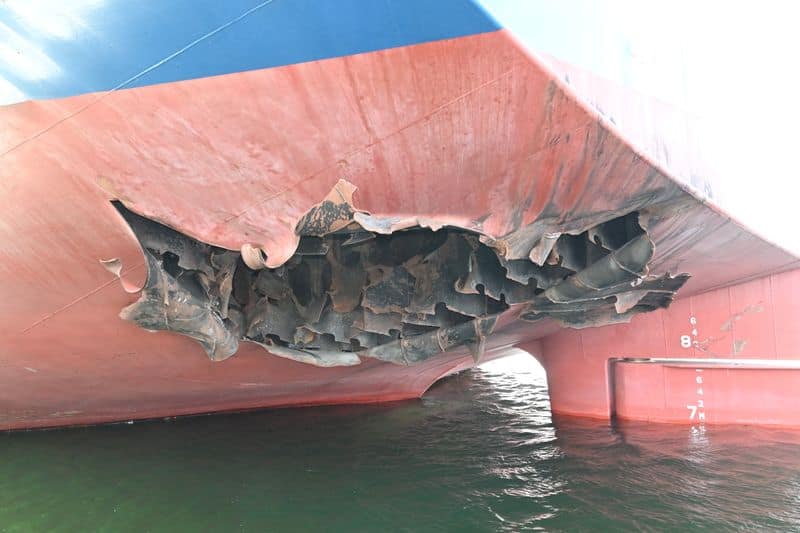
Oil prices are on track for their largest quarterly decline since the COVID-19 pandemic, with Brent crude set to plunge 30% for the quarter and 22% for June. This trend is driven by easing Middle East tensions and a recovery in tanker traffic through the Strait of Hormuz. U.S. Vice President JD Vance noted that oil traffic through the strait has returned to pre-war levels, with some days exceeding prior volumes. Asian refiners are redirecting Middle East crude to the U.S. West Coast as supply from the Persian Gulf increases. Iraq is facilitating the movement of 14 million barrels of oil through the Strait of Hormuz. Ten Thai-flagged vessels have safely left the Strait of Hormuz. Meanwhile, the South Korean cargo vessel Namu is expected to exit the Strait of Hormuz in mid-July after repairs from a May attack.