Key facts
- Ordinary Iranians are struggling to afford basic necessities and rent due to soaring costs.
- US sanctions on Iran's oil exports are cutting the state's financial lifeline.
- The ongoing war has led to job losses in Iran's private sector.
- Many Iranians are cutting back on spending, with food prioritized.
- Some individuals have moved to cheaper areas or given up smoking due to rising prices.
- The black market has become more pervasive, with increased costs for goods and services.
Ordinary Iranians are facing severe economic hardship, struggling to afford basic necessities and rent as the country's financial lifeline through oil exports is cut by US sanctions. The ongoing conflict, now in its seventh month, has exacerbated existing economic strains, leading to job losses in the private sector and forcing many to drastically reduce spending.
Individuals interviewed described a pervasive impact on daily life. A restaurant owner in Tehran noted that customers can only afford necessities and cannot pay higher prices. A housewife in northern Iran is struggling to afford medicine and basic school supplies for her grandson, while a teacher fears he will no longer be able to afford to return to Tehran if in-person teaching resumes. A psychotherapist has given up smoking due to the cost, and some individuals are resorting to the black market, which has also seen price increases.
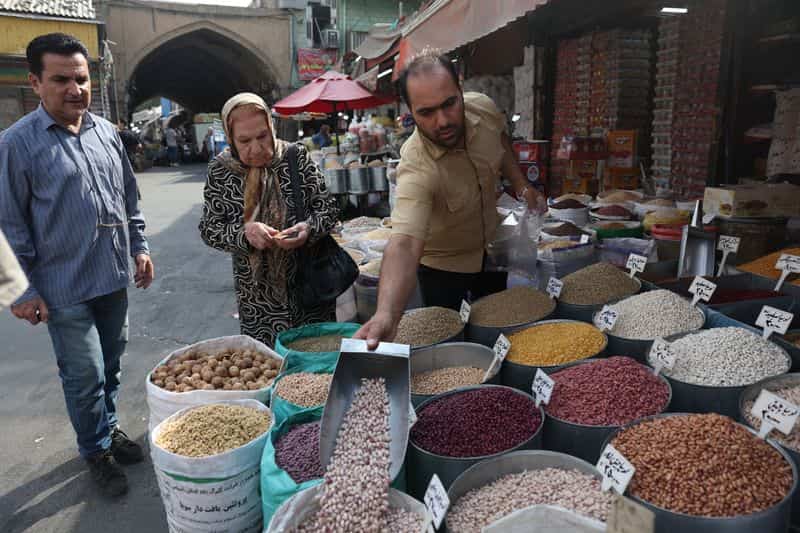
Even wealthier Iranians are cutting back, with one architect noting that people are poorer relative to their past lifestyles and are driving on spare tires due to the cost of replacements. Concerns are rising about potential fuel shortages that could disrupt supply chains and cause wider economic havoc. Many families are prioritizing food spending, though some can still afford internet access. Some individuals have moved to cheaper areas outside the capital, exhausting savings in the process. Shop owners observe customers buying significantly fewer items than before.