Key facts
- Three Iranian relatives of a former politician are in ICE detention for over 130 days.
- The family's detention is linked to their relative's involvement in the 1979 Iranian hostage crisis.
- The detained individuals have no criminal history.
- Their green cards have been revoked.
- Requests for voluntary departure from the U.S. have been denied.
- The Department of Homeland Security cited national security and foreign policy concerns for their detention.
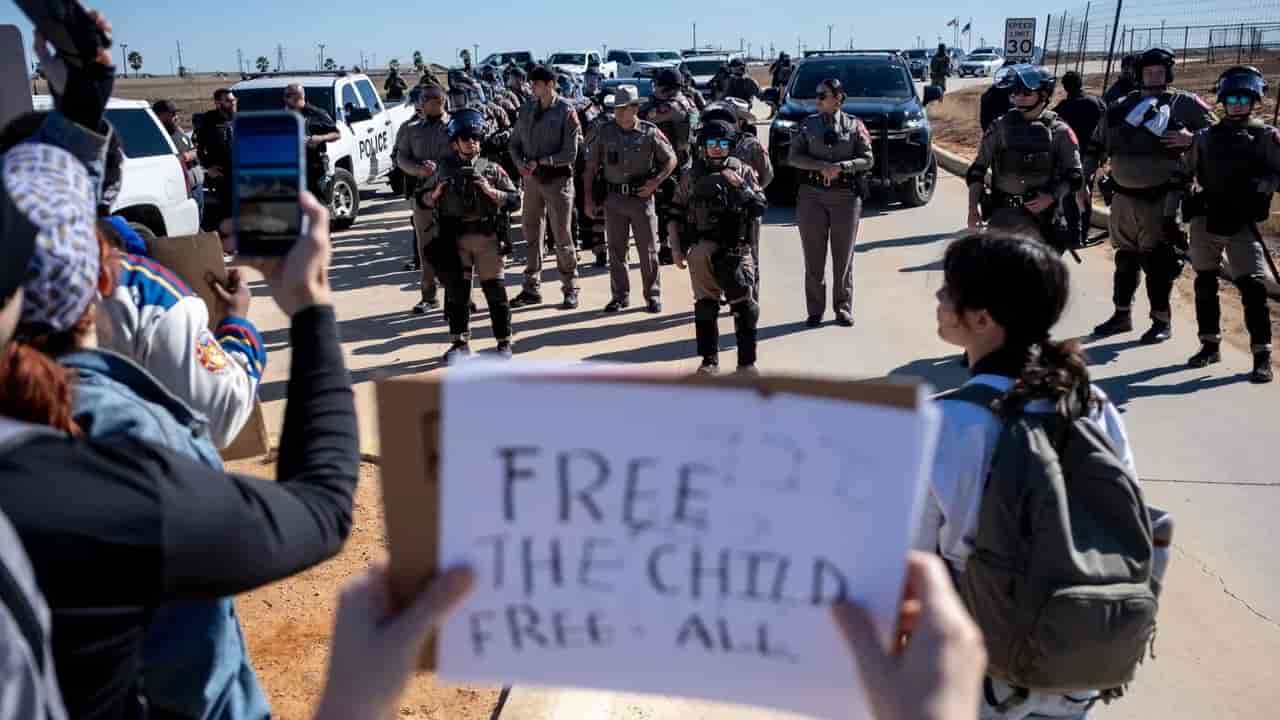
Three members of an Iranian family, including a 16-year-old, have been held in Immigration and Customs Enforcement (ICE) detention for over 130 days, a situation described by one of the detainees as 'bloodline punishment.' Maryam Tahmasebi, her husband Eissa Hashemi, and their son, who are permanent U.S. residents with no criminal history, had their green cards revoked following an online campaign. Hashemi, an academic, is the son of Masoumeh Ebtekar, a former Iranian politician who was involved in the 1979 American embassy hostage crisis. Hashemi was arrested on April 9, and Tahmasebi and their son were arrested the following day. They are being held in separate facilities, with Tahmasebi and her son at the Dilley Immigration Processing Center and Hashemi at the South Texas Detention Center. Their attorney, Tala Alfoqaha, stated that the government's denial of their request for voluntary departure indicates the detention is purely punitive, not for any legitimate purpose. The Department of Homeland Security, however, described the family as individuals whose presence posed a clear threat to U.S. national security and foreign policy. Alfoqaha drew parallels between the case and the internment of Japanese Americans during World War II, suggesting detention based on identity rather than actions. As of December, at least 577 Iranian nationals were reportedly held in ICE detention facilities, amid ongoing political tensions.