Key facts
- Iran's security chief Mohsen Rezaei issued a warning of retaliation against US military and economic interests.
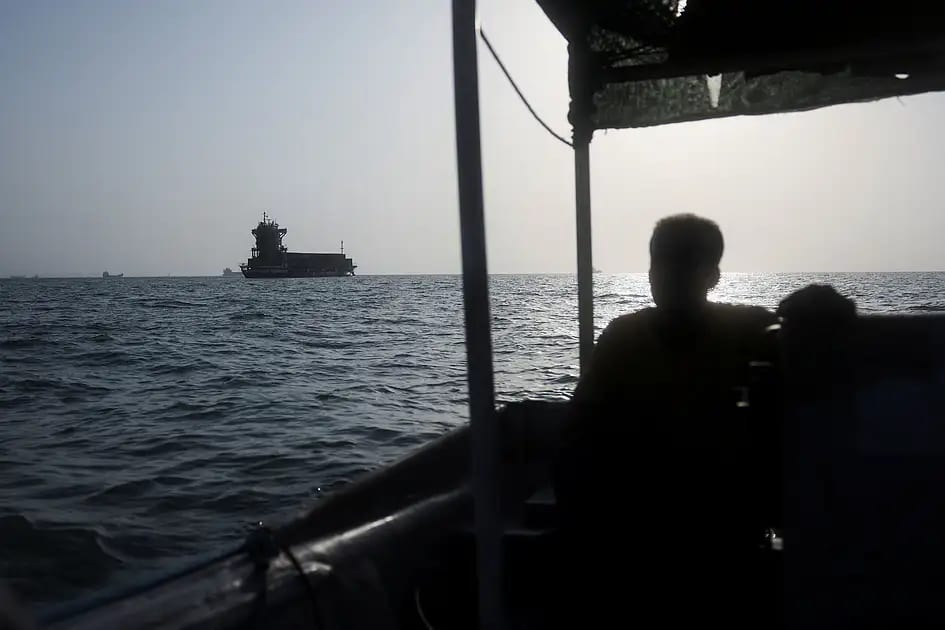
- Rezaei linked the opening of the Strait of Hormuz to prior practical steps by the US.
- Major General Ali Abdollahi accused the US of escalating towards a regional war and threatened countries aiding the US.
- Reports indicate potential imminent US and Israeli attacks on Iran's energy infrastructure.
- The US military conducted strikes across five Iranian provinces overnight.
- Kuwait reported destroying Iranian drones within its airspace.
Iran's security chief, Mohsen Rezaei, issued a stern warning on Thursday, stating that Iran would retaliate against American military and economic interests if the United States initiates any "mischief" against the country. According to Iran's IRNA news agency, Rezaei told Qatar's foreign minister that the US must first take practical steps to meet Iran's conditions before Iran would proceed to open the Strait of Hormuz.
These warnings come amid escalating tensions and ongoing strikes across the region. Major General Ali Abdollahi, head of Iran’s wartime military command, stated that the US is accelerating efforts to ignite a full-scale regional war, using regional allies' resources as a shield. He explicitly warned that any country aligning with the US would face consequences.
Reports from major US media outlets suggest that the US and Israel are considering imminent, extensive attacks on Iran's civilian infrastructure, including power plants and petrochemical manufacturers. President Donald Trump has reportedly not yet given final authorization for such an operation, which could last up to two weeks and aim to disrupt power across Tehran and the country.
In response to potential US actions, Iranian armed forces have reportedly prepared extensive retaliation plans targeting vital infrastructure linked to the US and Israel. Israel's Defence Minister Israel Katz had previously expressed a desire to strike Iran's energy targets, though he noted US reservations due to concerns about global oil supply disruptions.
Since the conflict began on February 28, both the US and Israel have targeted military bases and leaders in Iran, as well as civilian infrastructure. Iran's military has responded with ballistic missiles and drones against US and Israeli military bases, and also struck energy infrastructure in several Middle Eastern countries. Overnight strikes by the US military reportedly hit five Iranian provinces, targeting command centers, missile facilities, and air-defense sites, resulting in casualties among soldiers and civilians. Kuwait's air defenses also intercepted Iranian drones, causing some damage. Additionally, vessels off the coast of Oman sustained damage.