Key facts
- Iran and the US have issued conflicting claims over control of the Strait of Hormuz.
- Iran's Parliament is reviewing a bill to permanently ban hostile vessels from the strait.
- US President Donald Trump asserted US 'total control' over the Strait of Hormuz.
- Iran and Oman have agreed on coordinates for a proposed shipping corridor through Hormuz.
- Saudi Aramco adjusted its September pricing strategy for crude oil grades.
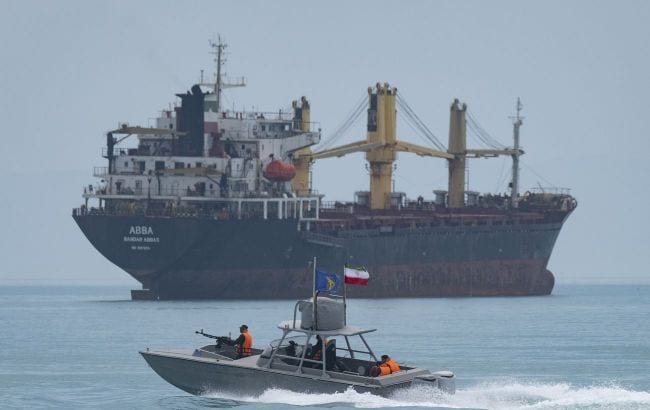
Iran and the United States have issued competing claims regarding control over the Strait of Hormuz, a critical global waterway. Hossein Taeb, the head of Iran's Basij paramilitary unit, stated that the strait is "under Iran's control and management." Iran's joint military command further asserted that no vessel can transit the Strait of Hormuz without Tehran's permission. These assertions follow a claim made by US President Donald Trump that the United States has "total control" of the strategic waterway. Taeb suggested that the United States had attempted to undermine the Islamic Republic's regional standing by initiating conflict in the Strait of Hormuz, and claimed the US was defeated despite Iran lacking a significant air force or navy. He added that Iran is committed to ensuring complete security. Senior military and political official Rasoul Sanaei-Rad indicated that Iran would not reopen the strait unless the United States fulfills its obligations under a temporary agreement. He stated that the US cannot unilaterally restore freedom of navigation through the strait. Previously, Tehran had effectively closed the strait after a war began on February 28, impacting global oil markets.
Amidst these tensions, Iran's Parliament is reviewing a bill to permanently ban US, Israeli, and other hostile vessels from the Hormuz, supported by drone and missile strikes in the strait. This occurs as President Trump claims a final deal is 'close.' Iran and Oman have drawn proposed shipping corridors through Hormuz, granting Iran control over Gulf-bound vessels, though key details remain unresolved. Saudi Aramco adjusted its September pricing strategy, cutting its flagship Arab Light grade for Asia while raising scarcer grades, suggesting a potential increase in Gulf output.
In other global energy and commodity news, a US federal appeals court restored an injunction protecting $20 billion in clean-energy grants. ConocoPhillips announced CEO Ryan Lance's retirement, with CFO Andy O’Brien set to take over. China relaxed restrictions on refined product exports for August, and Mexico's President ruled out fracking projects. The Rhine River's navigable depth hit record lows, tripling inland tanker freight costs, while US natural gas prices sank despite summer heat. China's steel association called for yuan-denominated benchmarks for iron ore pricing. London sanctioned Russian banks and tankers, and Moscow extended a waiver for lower-grade gasoline production. The White House will impose tariffs and minimum import prices on US solar imports. Chinese rare earth exports fell in July, and the Democratic Republic of Congo banned raw copper and cobalt concentrate exports to promote domestic processing. Iraq and Syria plan to rebuild the Kirkuk–Baniyas pipeline by 2029 to bypass Hormuz.