Key facts
- The U.S. military can maintain a naval blockade on Iranian ports indefinitely.
- The U.S. threatened an indefinite naval blockade amid rising regional tensions and falling oil supply.
- Two vessels from Abu Dhabi National Oil Company were attacked transiting the Strait of Hormuz.
- Iran stated the Strait of Hormuz remains blocked until its conditions are met.
- U.S. Treasury Secretary Scott Bessent announced unprecedented economic isolation measures against Iran.
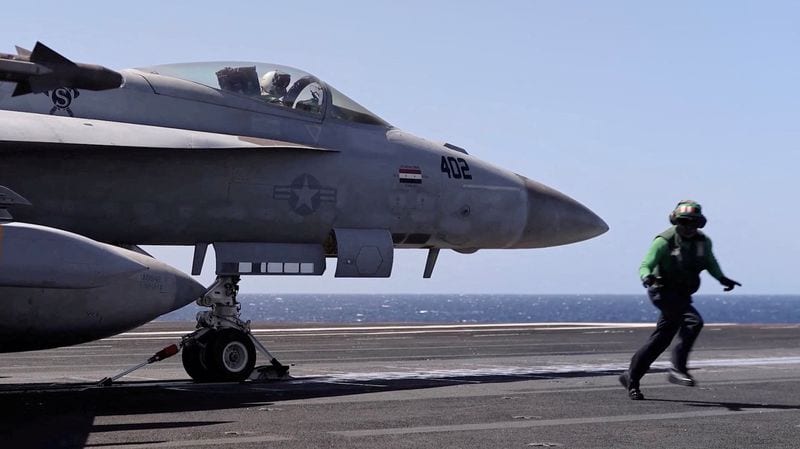
The United States is escalating economic pressure on Iran, with U.S. Treasury Secretary Scott Bessent announcing that unprecedented economic isolation measures will be applied, combined with a continued blockade of the Strait of Hormuz. Defense Secretary Pete Hegseth previously stated the U.S. Navy can maintain this blockade indefinitely.
These actions come as ceasefire talks have faltered and global oil supply is projected to drop significantly. The International Energy Agency forecasts a 4.3 million barrels per day decrease in global oil supply this year. Regional tensions have also risen, with two vessels from the Abu Dhabi National Oil Company attacked while transiting the Strait of Hormuz, an event the UAE government attributed to Iran.
Shipping traffic through the Strait of Hormuz has seen a dramatic reduction, falling to eight vessels on Tuesday from a pre-war average of 130 to 140 ships daily. Iran has stated the strait will remain blocked until its conditions, including the removal of economic sanctions and the release of frozen assets, are met. President Donald Trump has asserted U.S. control over the strait, a claim Iran disputes.
The U.S. previously lifted its blockade for a month in mid-June but has since reimposed it. The pressure campaign aims to cut off Iran's primary source of hard currency, compounding losses from wartime strikes on its energy infrastructure. Despite tightened sanctions, Tehran has not returned to negotiating tables. The global economy faces mounting stress, with economists forecasting a sharp drop in global growth and potential recession in some areas if the conflict is not resolved soon.