India signals stricter food warning labels
IN SHORT
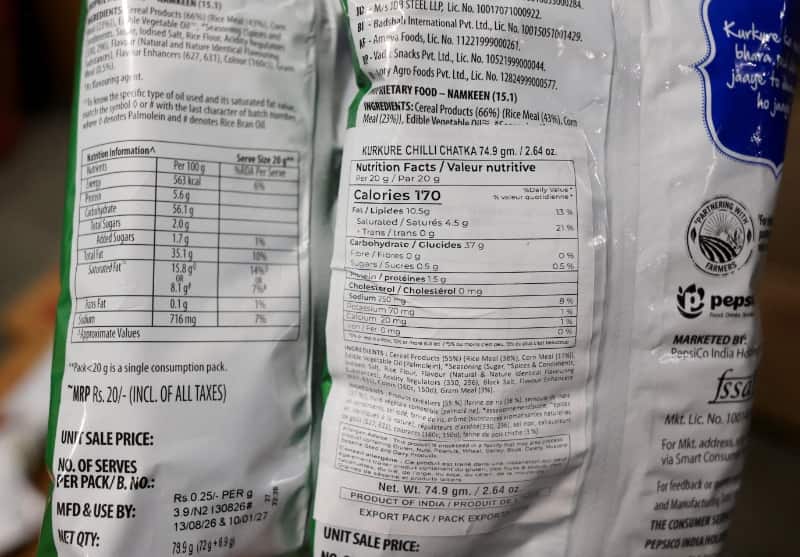
India's Supreme Court has ordered the government to present a clear plan for implementing food warning labels within 10 days. The court expressed concern that a phased approach might lead to indefinite delays in introducing stricter rules for added sugar, salt, and saturated fat content on packaged foods.
Key Numbers
10 daystimeline for government to provide food warning label pathway
twocategories for stricter warning labels (added sugar, salt, saturated fat)
Who's Involved
Supreme Court
ordered government to provide timeline for food warning labels
Food Safety and Standards Authority of India
will examine court order on food warning labels
Coca-Cola
lobbied against warning labels
PepsiCo
lobbied against warning labels
Nestle
backed groups lobbying against warning labels
↳ Why This Matters
The court's intervention signals a potential acceleration in the implementation of stricter food labeling rules in India, which could impact the formulation and marketing strategies of major food and beverage companies operating in the country.