Key facts
- IMF Managing Director Kristalina Georgieva called for "urgent repairs" to fiscal balances.
- She advised enhancing revenues, rationalizing spending, and improving public financial management.
- Global public debt is at its highest level since World War II and on track to exceed 100% of global GDP.
- US 10- and 30-year Treasury yields reached multi-decade highs, with other G7 bonds showing similar trends.
- Governments' average interest payments are projected to rise significantly by 2031.
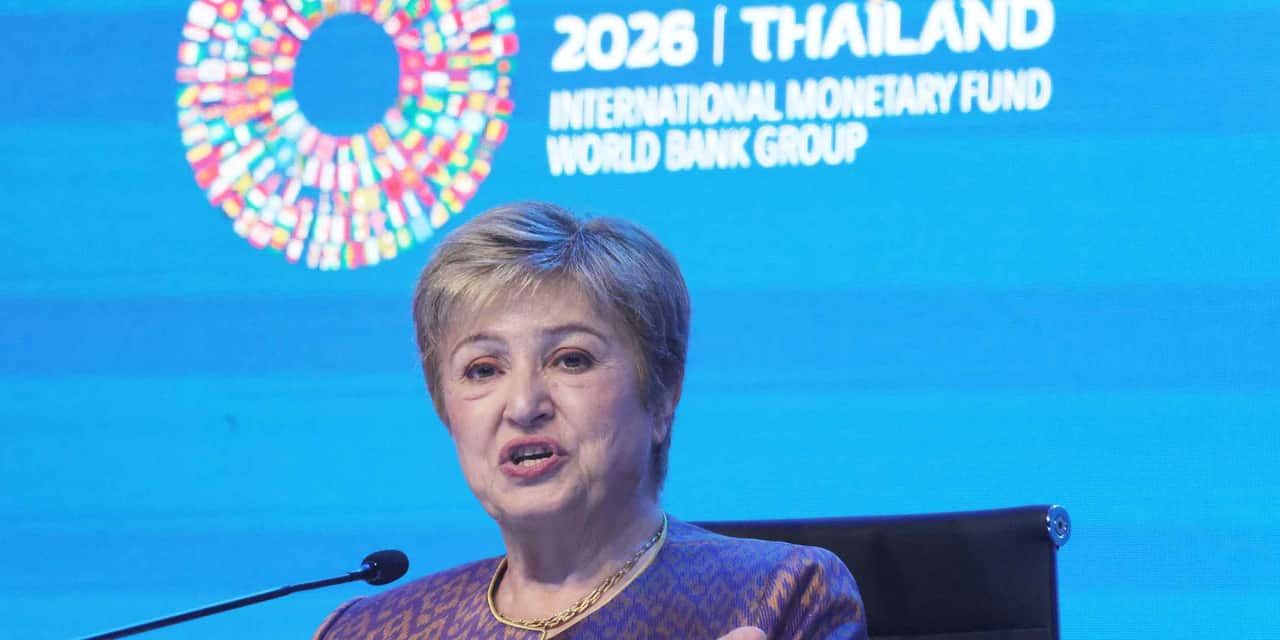
International Monetary Fund Managing Director Kristalina Georgieva urged major advanced economies on Wednesday to "make urgent repairs" to their fiscal health amid elevated public debt and surging government bond yields. Speaking at the IMF and World Bank's Annual Meetings in Bangkok, Georgieva warned that the global economy's resilience is reaching its limits and that "excessive global economic imbalances" are growing.
Georgieva emphasized the need to "enhance revenues, to rationalise spending and improve public financial management" to address fiscal balances before "cracks widen." Her comments come as global public debt is at its highest level since World War II and is projected to soon exceed 100 percent of global gross domestic product.
Era Dabla-Norris, the Fund's deputy director at the Fiscal Affairs department, noted that yields have increased by an average of around 110 basis points since late February, with US 10- and 30-year Treasury yields reaching levels not seen since around 2002. She attributed this spike to factors including heightened inflation expectations driven by rising energy prices and central banks hiking borrowing costs. Dabla-Norris also highlighted the complex interaction between fiscal and monetary policy when debt levels are high and maturities are shorter, stating that changes in monetary policy can quickly spill over into government borrowing costs.
Research released by the IMF indicated that governments' average interest payments are projected to rise from 2.3 percent of GDP in 2021 to 3.7 percent in 2031. In the United States, interest payments are forecast to climb from about 2.8 percent of GDP before the pandemic to 5.7 percent in 2031, a figure roughly equal to projected expenditure on Social Security.