Key facts
- Electrification remains the main pillar of global energy investment despite AI fears, according to IEA Executive Director Fatih Birol.
Electrification continues to be the primary focus for global energy investment, according to Fatih Birol, Executive Director of the International Energy Agency. Despite concerns that artificial intelligence could pose an existential threat, Birol stated that electricity demand is growing three times faster than total energy demand and is expected to maintain this pace through 2030.
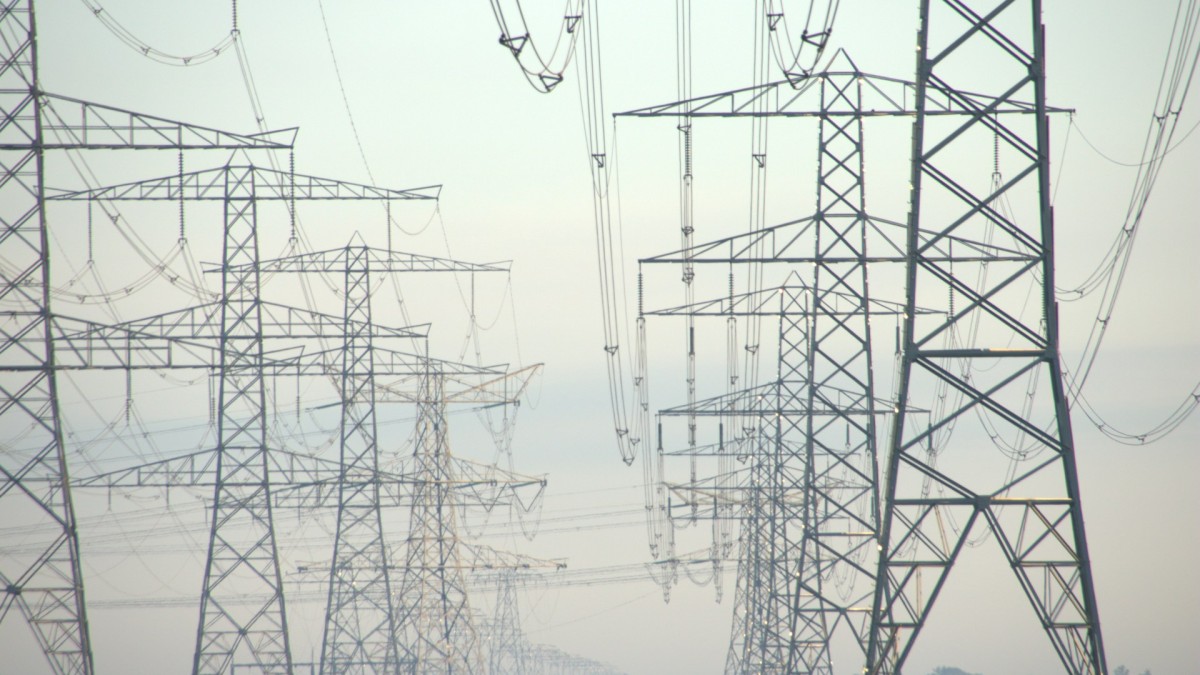
The IEA's outlook highlights the significant and sustained demand for electricity driven by electrification and AI, underscoring the critical need for grid expansion and investment in power generation to meet these growing needs.
Electrification continues to be the primary focus for global energy investment, despite concerns that artificial intelligence could pose an existential threat, according to Fatih Birol, Executive Director of the International Energy Agency (IEA).
Birol stated that electricity demand is growing three times faster than total energy demand and this pace is expected to hold through 2030. The shift toward increased electrification remains firmly anchored by capital markets, he added.
While acknowledging that electrification is not without challenges, Birol emphasized it as the clear path forward, even if AI investments slow due to existential fears. However, he noted that higher electrification costs and slower grid expansion compared to the surge in electricity demand could hinder global rates.
The IEA's annual report on electricity trends indicated that global electricity demand is rising at its fastest pace in 15 years and will continue to do so at least until the end of the decade. This surge is attributed to AI infrastructure, advanced manufacturing, and broader electrification efforts, ushering in what the agency terms "The Age of Electricity."
Globally, power demand is projected to grow by over 3.5% annually on average through 2030. Emerging economies, including China, India, and Southeast Asia, are expected to account for 80% of this additional demand. Meanwhile, advanced economies are experiencing a return to growth in electricity demand after 15 years of stagnation, driven by artificial intelligence, data centers, and advanced manufacturing.
In the U.S., electricity demand increased by 2.1% in 2025 and is anticipated to grow by nearly 2% annually through 2030, with the expansion of data centers projected to drive half of this growth.