Key facts
- Hungary will join the European Public Prosecutor's Office (EPPO), enabling investigations into EU fund misuse.
- The EPPO's investigations in Hungary can cover alleged crimes dating back to June 2021.
- Hungary's government has submitted a bill to create a new National Asset Protection and Recovery Office.
- This new office will focus on identifying, tracing, and recovering unlawfully removed assets from public ownership.
- The European Commission approved Hungary's national recovery plan, unblocking about €10 billion in EU funds.
- Hungary will become the EPPO's 25th member state.
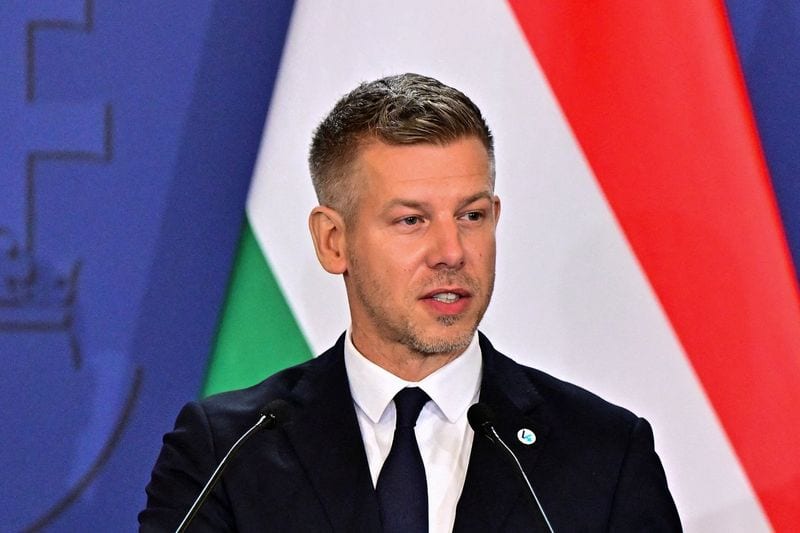
Hungary has officially been approved to join the European Public Prosecutor's Office (EPPO), the EU's investigative body tasked with combating fraud and corruption related to European funds. This decision allows the EPPO to investigate alleged EU fund misuse dating back to June 2021, potentially opening the door to probes into corruption allegations that occurred during Viktor Orbán's 16-year tenure as Prime Minister. Péter Magyar, who campaigned on an anti-corruption platform, recently won a landslide victory in parliamentary elections, ending Orbán's long rule.
European Commission President Ursula von der Leyen welcomed the move, stating it was a positive step for Hungary in ensuring EU funds are used in the public interest. Hungary will become the EPPO's 25th member later this year, with a prosecutor to be appointed in the country. Previously, Orbán's government had opposed joining the EPPO, arguing it would infringe on national sovereignty. The EU had previously accused Orbán's administration of posing a systemic risk of corruption, leading to the suspension of a significant portion of EU funds allocated to Hungary. Denmark and Ireland are the only EU members not part of the EPPO due to opt-outs.
On Friday, Hungary's government also submitted a bill to parliament to create a new National Asset Protection and Recovery Office. Magyar described this as a pillar of his anti-corruption drive, dubbed "Operation Purgatory," aimed at uncovering past abuses and preventing future violations. The new entity will be headed by a president and four deputies, three of whom must be prosecutors, with appointments subject to parliamentary approval. The Council of the European Union also approved Hungary's national recovery plan on Friday, marking another step toward Budapest accessing approximately €10 billion ($11.43 billion) of EU funds that had been withheld due to corruption concerns.