Key facts
- Hungary's government proposed a wealth tax on individuals with assets over 1 billion forints.
- The proposed tax rate is 1% on wealth above 1 billion forints and 1.5% on wealth above 100 billion forints.
- The tax is set to begin in January 2027.
- The tax base includes real estate, investments, company holdings, and foreign assets, with loans deductible.
- Hungary's budget deficit is projected at 7.5% of national output.
- Lorinc Meszaros, Hungary's wealthiest man, had an estimated net worth of 1.786 trillion forints in 2025.
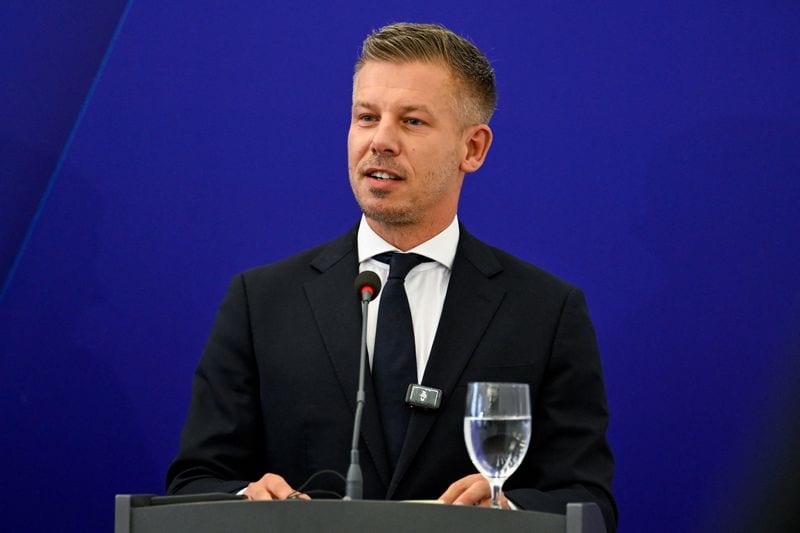
BUDAPEST, Oct 6 (Reuters) - Hungary's government has proposed a wealth tax targeting individuals with assets exceeding 1 billion forints ($3.08 million), Prime Minister Peter Magyar announced on Tuesday. This move fulfills a campaign promise by his governing Tisza party, which defeated veteran Prime Minister Viktor Orban's nationalist Fidesz party in an April election.
The center-right Tisza party must now address a budget deficit projected at 7.5% of national output for the current year.
The proposal includes an annual 1% wealth tax on the portion of wealth exceeding 1 billion forints, starting in January 2027. For individuals with wealth above 100 billion forints ($308 million), the rate would increase to 1.5% on the excess amount, according to a video Magyar posted on Facebook.
This tax would apply to all forms of wealth, including real estate, investments, company holdings, and assets held outside Hungary. Loans would be deductible from the tax base. The potential impact on next year's budget remains unclear, with the government set to announce its 2027 budget and a roadmap for adopting the euro later this month.
According to Forbes' 2026 list, Hungary's wealthiest individual in 2025 was Lorinc Meszaros, a childhood friend of Orban, whose family's wealth was estimated at 1.786 trillion forints ($5.50 billion). Sandor Csanyi, chairman of OTP Bank, was listed as the second richest with 649.7 billion forints ($2 billion).
Magyar stated that the tax proposals would be published on the government website for public consultation and are expected to be approved by parliament, where the Tisza party holds a significant majority.