Key facts
- Commercial shipping traffic through the Strait of Hormuz is at 20% of pre-war levels.
- UKMTO data shows 103 ships entered and 89 departed the strait in the past week.
- Tankers constitute 45% of the reduced traffic.
- The southern Omani corridor is the most dangerous stretch, with 16 of 18 projectile strikes reported.
- Iran's Revolutionary Guard continues to harass vessels.
- US President Donald Trump's statement about declaring the Strait US territory was met with a retort from Iran.
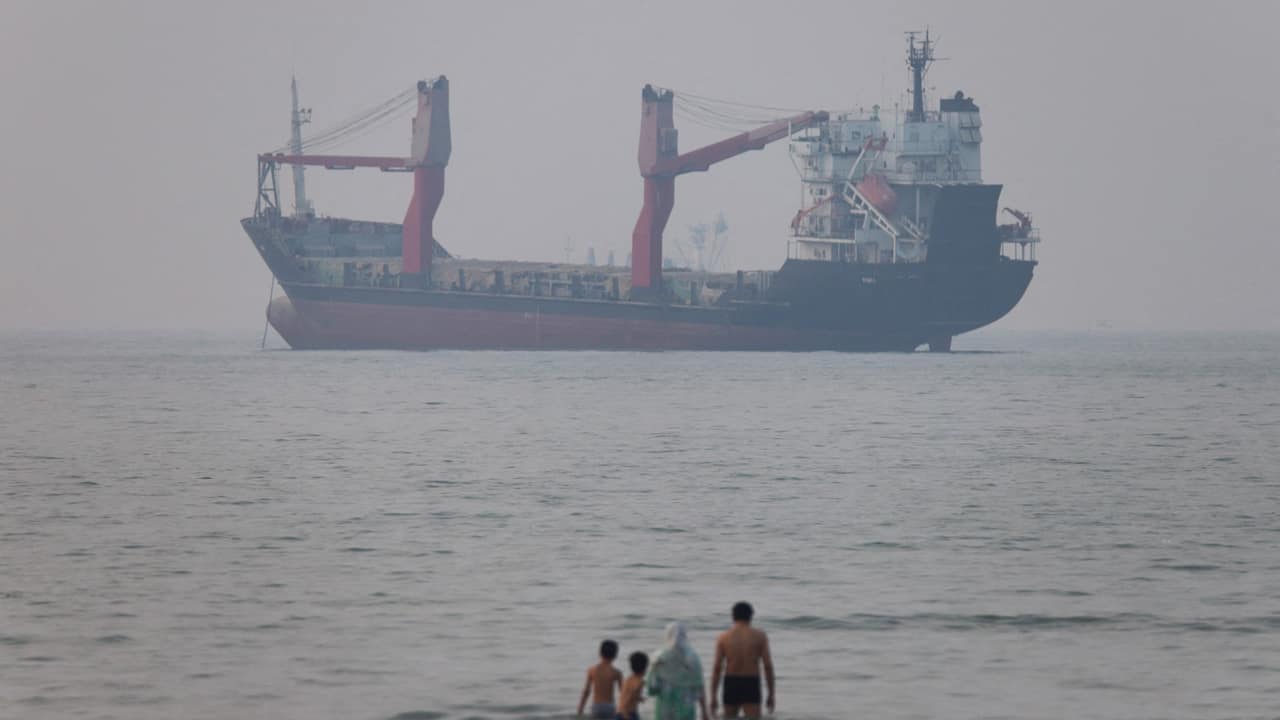
Commercial shipping traffic through the Strait of Hormuz remains critically low, operating at approximately 20% of pre-war levels, according to data from the UK Maritime Trade Operations (UKMTO).
In the past week, 103 ships entered and 89 departed the strait, a fraction of the pre-war seven-day average. Tankers constituted the majority of this reduced traffic, making up 45% of all movements. This continued low volume occurs despite ongoing harassment from Iran's Revolutionary Guard, including drone overflights and the designation of active mine danger areas.
The southern Omani corridor, an alternative route, has become the most dangerous, accounting for 16 of the 18 projectile strike incidents reported since July 6. The UKMTO also noted a complete absence of US-flagged vessels transiting the strait, though one Iranian-flagged ship was reported inbound and another outbound.
US President Donald Trump's recent statement indicating his intention to declare the Strait of Hormuz US territory after defeating Iran was met with a firm response from Tehran, with Iran's Deputy Foreign Minister stating it cannot be seized by a tweet or an aircraft carrier. The Abu Dhabi National Oil Company (ADNOC) confirmed that two of its vessels were attacked while transiting the strait.
Market sentiment reflects the ongoing instability, with the likelihood of traffic normalization by September 30 decreasing to 15.5%. This suggests that market participants anticipate the continued persistence of tensions and reduced traffic levels.