NATO Allies Discuss Strait of Hormuz Options Outside Alliance Framework
IN SHORT
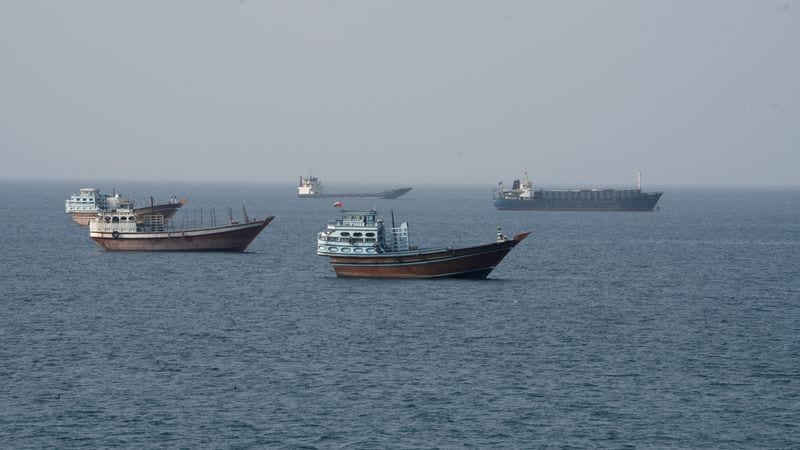
NATO's top commander facilitated a meeting of allied nations to discuss contributions to freedom of navigation in the Strait of Hormuz, clarifying it is not a NATO mission. Meanwhile, Iran and Oman discussed resuming dialogue and navigation issues.
Key Numbers
one-fifthoil carried by Strait of Hormuz before February
Who's Involved
Alexus Grynkewich
U.S. Air Force General and NATO's top commander
NATO
Alliance facilitating discussions on Strait of Hormuz navigation
France
Leading efforts to build a coalition for safe passage
Britain
Leading efforts to build a coalition for safe passage
Oman
Discussed navigation issues with Iran
Iran
Discussed navigation issues with Oman
↳ Why This Matters
Ensuring freedom of navigation in the Strait of Hormuz is critical for global energy supplies, as approximately one-fifth of the world's traded oil passes through this vital waterway.