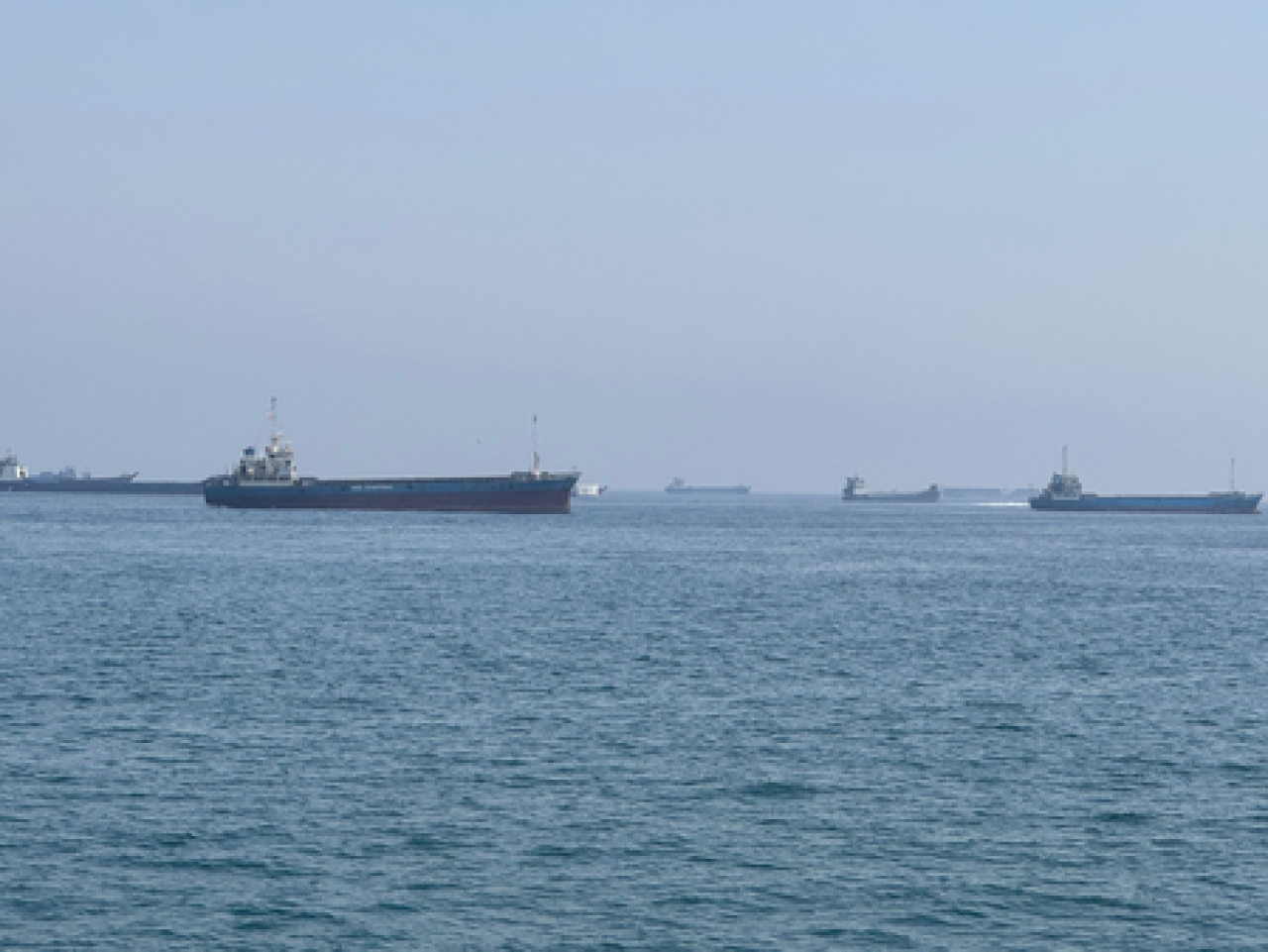
Key facts
- Commercial shipping traffic through the Strait of Hormuz is down approximately 90% from pre-conflict levels.
- Ten commodity vessels transited the Strait of Hormuz on Wednesday, up from eight on Tuesday.
- The traffic remains below the 10-day average of about 15 vessels.
- Qatar and Oman are engaged in diplomatic efforts with Iran regarding navigation through the Strait.
- Despite diplomatic overtures, another tanker was struck by a projectile in the Strait of Hormuz.
Commodity vessel traffic at the Strait of Hormuz saw a slight increase over the past 24 hours, with ten vessels transiting on Wednesday compared to eight on Tuesday. This uptick occurs amidst diplomatic initiatives by Qatar and Oman aimed at engaging Iran on navigation and the potential reopening of the vital oil and gas chokepoint. Despite these efforts, the situation remains tense, with another tanker reportedly struck by an unidentified projectile.
While traffic through Hormuz rose marginally, transits at the Bab el-Mandeb Strait on the Red Sea decreased to 19 ships from 24 the previous day. Qatar's Prime Minister, Sheikh Mohammed bin Abdulrahman al-Thani, is visiting Tehran to discuss the possibility of reopening the Strait of Hormuz, with discussions expected to cover Qatar's mediation role and developments around the chokepoint. Oil prices experienced a decline early Thursday, reflecting market anticipation of a potential diplomatic breakthrough that could ease the ongoing crisis.