Key facts
- Three Hong Kong activists were sentenced to prison for organizing Tiananmen Square vigils.
- Lee Cheuk-yan received a seven-year sentence, and Chow Hang-tung received seven years and three months.
- Albert Ho was sentenced to five years after pleading guilty.
- The Hong Kong Alliance was fined HK$1.5 million.
- The convictions were under Hong Kong's national security law.
- The group was found guilty of inciting subversion by organizing and participating in the banned vigil.
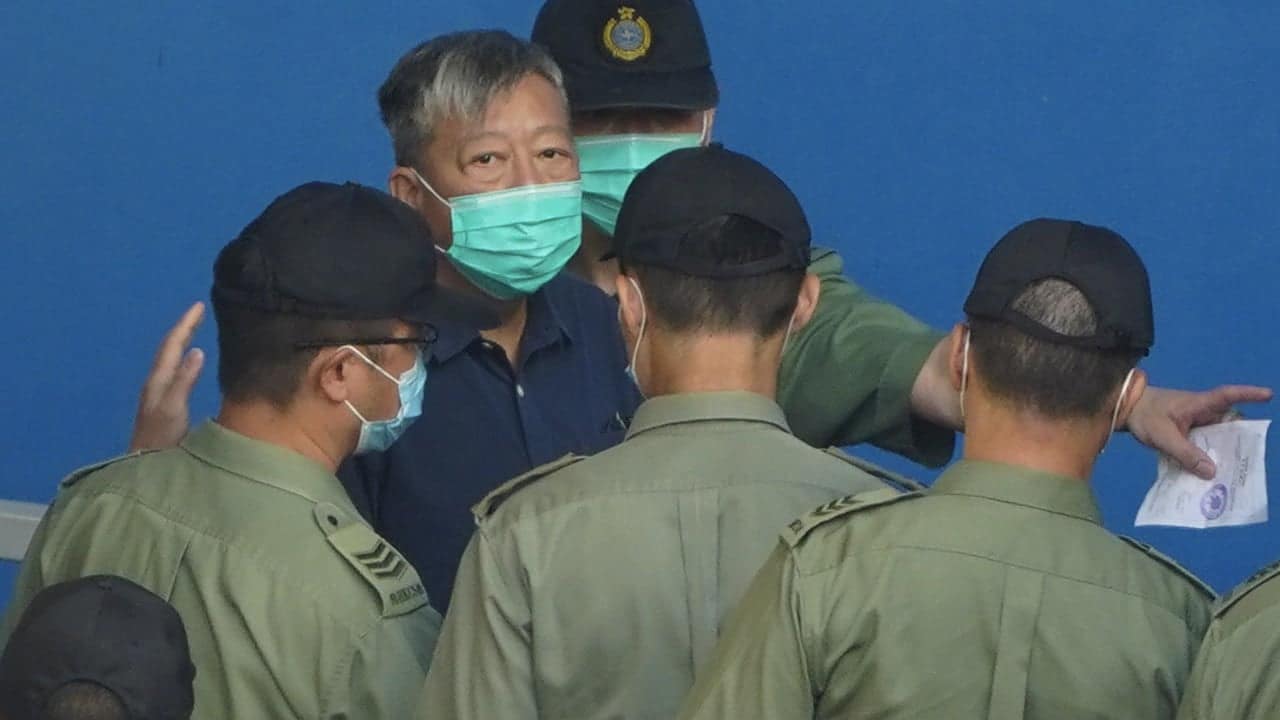
Three Hong Kong activists who organized annual vigils commemorating Beijing's 1989 crackdown on Tiananmen Square protests have been sentenced to prison terms of up to seven years under the city's national security law. Lee Cheuk-yan, 69, and Chow Hang-tung, 41, were convicted of inciting others to subvert state power, while Albert Ho, 74, pleaded guilty.
Lee was sentenced to seven years in prison, Chow to seven years and three months, and Ho to five years. The Hong Kong Alliance, the group behind the vigils, was fined HK$1.5 million ($191,000; £142,000).
For years, Hong Kong was one of the few places in Chinese territory where gatherings to mark the Tiananmen Square crackdown were permitted. These gatherings were banned by Hong Kong authorities in 2020, citing Covid-19 policies, and never resumed. The national security law, which makes illegal a wider range of dissenting acts, came into force that same year. Authorities state the law is necessary for stability, but critics argue it has eroded Hong Kong's autonomy and fostered a climate of fear.
The defendants were leaders of the now-disbanded Hong Kong Alliance, founded in 1989 to support pro-democracy rallies. The group consistently called on authorities to accept responsibility for the crackdown, free dissidents, and introduce democratic reform. Organizers stated that some vigils attracted over 100,000 people, though police estimates were lower.
Amnesty International's Deputy Regional Director Sarah Brooks called the sentencing a "triple tragedy" for the activists, the survivors of the Tiananmen crackdown, and Hongkongers denied the space to discuss the event.
