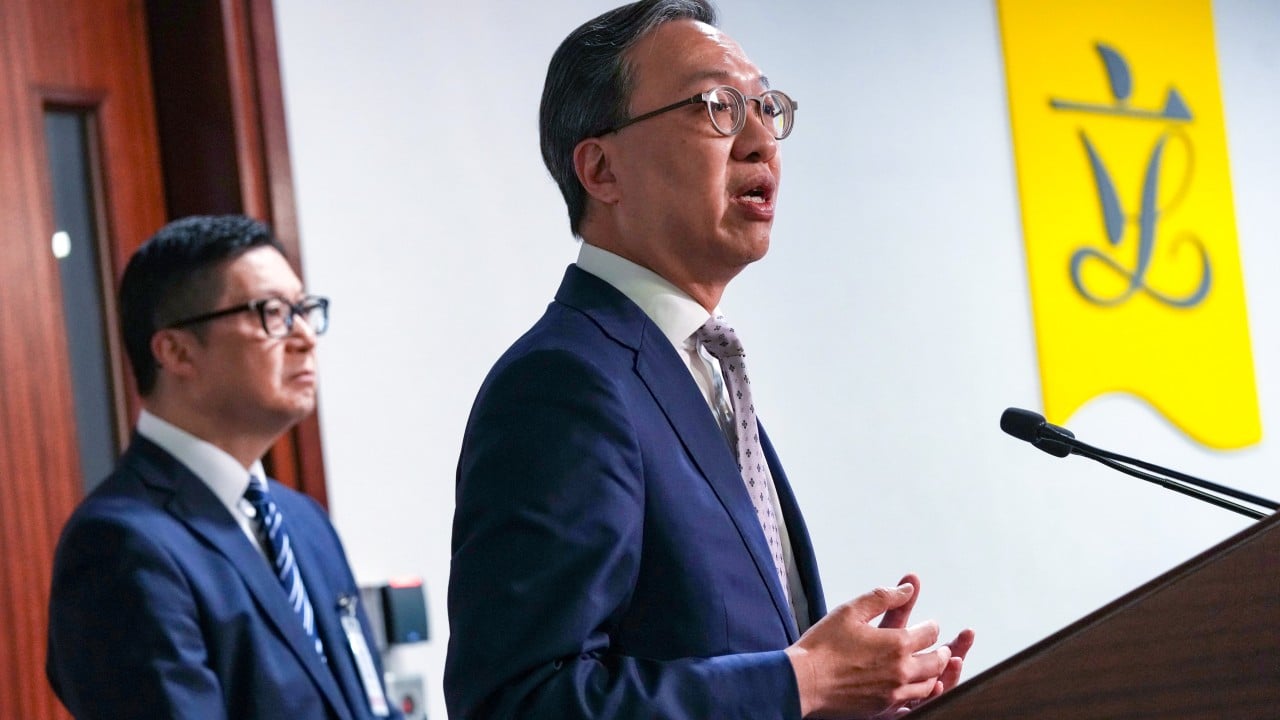
Hong Kong's new Safeguarding National Security (Procedural Matters) Regulation has come into effect, with officials asserting it will be used sparingly. The legislation empowers the chief executive to classify specific offences as endangering national security, subjecting them to stricter procedures such as longer detention periods, tighter bail conditions, and trials before designated judges.
Security and justice officials indicated that classifying an offence through a certificate issued by the chief executive is expected to be "extremely rare," as existing laws already cover most acts threatening national security. The regulation, enacted under the Safeguarding National Security Ordinance (SNSO), aims to clarify the classification mechanism for "other offences endangering national security" and better implement existing laws.
The Hong Kong SAR Government stated that the provisions for certificates issued by the Chief Executive are consistent with common law principles, where executive authorities are considered better positioned to assess national security matters. They emphasized that the regulation does not create new offences, penalties, or enforcement powers but refines procedural details.
However, human rights group Fortify Rights contends that these new measures further intensify the crackdown on freedoms of expression, association, and assembly, undermining the rule of law and Hong Kong's promised autonomy. They argue the regulations align Hong Kong's judicial system more closely with Beijing's, citing concerns about judicial independence and the use of torture, arbitrary detention, and enforced disappearance in mainland China.