All NewsEducationTVBrokers
Equities & FundsCrypto & Digital AssetsAI & TechnologyBusiness & CorporateUS Politics & PolicyGeopolitics & Global RiskMacro, Rates & FXCommodities & EnergyEuropean Politics & MarketsAsia-PacificReal Estate & Property
All NewsHome
← Back to Real Estate & Property

Homebuilder 'timing mistake' leads to falling rents in some US cities

Created at 5 Sep · 8:36 AM1 source↑ Market-relevant
IN SHORT

Rents have declined in cities like Austin, Texas, by approximately 8% since mid-2023, a trend attributed to a 'timing mistake' by homebuilders who oversupplied the market during a demand boom. Other cities have seen rents rise significantly.

Key Numbers

8%Austin rent decline since mid-2023
16%Rent increases in some US cities
2021-2024Period of migration slowdown in Austin
2021-2023Period of building permit approvals in Austin
4%San Antonio rent decline
21Cities measured in the study
200,000Affordable homes planned in NYC

Who's Involved

Aziz Sunderji
Founder of Home Economics, author of housing market study
Zohran Mamdani
NYC Mayor, proponent of Block-by-Block plan
Homebuilder 'timing mistake' leads to falling rents in some US cities

↳ Why This Matters

The findings highlight how supply-demand imbalances, driven by developer activity and migration patterns, can significantly impact rental markets, affecting both tenants seeking affordable housing and builders facing financial pressures.

Key facts

  • Rents have fallen approximately 8% in Austin, Texas, since mid-2023.
  • Cities like New York, San Francisco, and Chicago have experienced the strongest rent growth.
  • A study by Aziz Sunderji of Home Economics suggests homebuilders made a 'timing mistake' by oversupplying the market.
  • Slower migration into cities like Austin contributed to decreased housing demand.
  • Remote work and tech job numbers had the least impact on rent fluctuations.

Rents in several major U.S. cities have diverged since mid-2023, with some experiencing declines while others see significant increases. A study by Aziz Sunderji, founder of Home Economics, suggests that a 'timing mistake' by homebuilders is a primary driver for falling rents in cities like Austin, Texas.

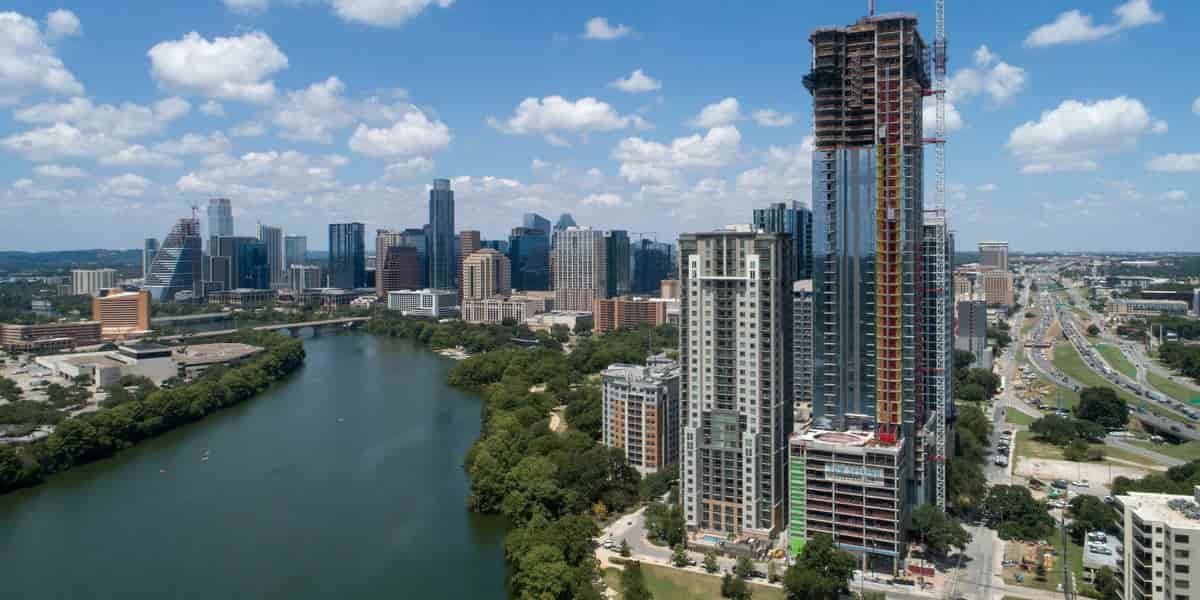
In Austin, rents have decreased by approximately 8% since mid-2023. This decline is attributed to a combination of factors: a slowdown in migration into the city between 2021 and 2024, which reduced housing demand, and a surge in new housing supply from buildings with permits approved during a previous demand boom. Sunderji noted that Austin represents an extreme case of this combination, but the pattern is generalizable.

The study found that cities with high rent valuations relative to local incomes and a deceleration in migration, such as Austin, San Antonio, Denver, Phoenix, and Dallas, experienced rent declines. Conversely, New York, San Francisco, and Chicago saw the strongest rent growth, characterized by home valuations near historical norms and fewer residents moving away.

Sunderji indicated that remote work and tech sector influence had the least impact on rent changes, as cities with high concentrations of these workers, like New York and San Francisco, still experienced rent increases. The factors driving rent decreases in cities like Austin were not policy-driven but rather a consequence of developers responding to past demand surges without foresight into the subsequent calm.

Developers are now facing excess inventory and compressed profit margins, leading them to offer concessions and rate buydowns to attract buyers. Sunderji stated that planning for such market cycles is not feasible.

Frequently asked questions

Rents are falling in some cities due to a 'timing mistake' by homebuilders who increased supply during a demand boom, leading to excess inventory as demand later slowed.

Cities like Austin, San Antonio, Denver, Phoenix, and Dallas have experienced rent declines, with Austin seeing an approximately 8% drop since mid-2023.

New York, San Francisco, and Chicago have experienced the strongest rent growth since mid-2023.

The study found that remote work and tech jobs had the least impact on lowering rents, as cities with many such workers still saw rent increases.

What Happens Next

01New York City plans to build 200,000 affordable homes over the next decade.

How It Developed

Rents have moved in opposite directions across major US cities since mid-2023.
Austin rents have fallen about 8% since mid-2023.
Migration to Austin slowed between 2021 and 2024, reducing housing demand.
Many residential buildings approved from 2021 to 2023 began entering the market, increasing supply.
A mismatch between slowing demand and increased supply led to decreased rents in Austin.
Areas with high rent valuations relative to local incomes saw rents weaken.
San Antonio experienced a 4% rent decline, the second-largest among measured cities.
Metros with rent declines included Austin, San Antonio, Denver, Phoenix, and Dallas.

Sources

T1
Rents are falling in some hotspot cities due to a 'timing mistake' by homebuildersBusiness Insider

Related Stories

Australian Housing Prices Decline Amidst Rising Interest Rates
4 Sep · 3:11 PM
ICE raids strain homebuilder labor, cycle times, and bank lines
4 Sep · 5:56 PM
Investor share of US single-family home purchases falls to 27%
4 Sep · 2:05 PM
Taylor Swift's Real Estate Portfolio Valued at Over $100 Million
4 Sep · 5:26 PM
Benchmark 30-year mortgage rate hits highest mark in over a year
4 Sep · 10:27 AM