Key facts
- GSK plans a £400m investment in a new R&D campus in Cambridge.
- The company will cut jobs to fund the investment and a £1.9bn cost-saving program.
- Over 1,000 scientists will move to the Cambridge site, while the Stevenage R&D facility will close by 2029.
- The new campus aims to accelerate drug development in areas like oncology, vaccines, and HIV.
- GSK will double its phase 3 trials to 20 this year.
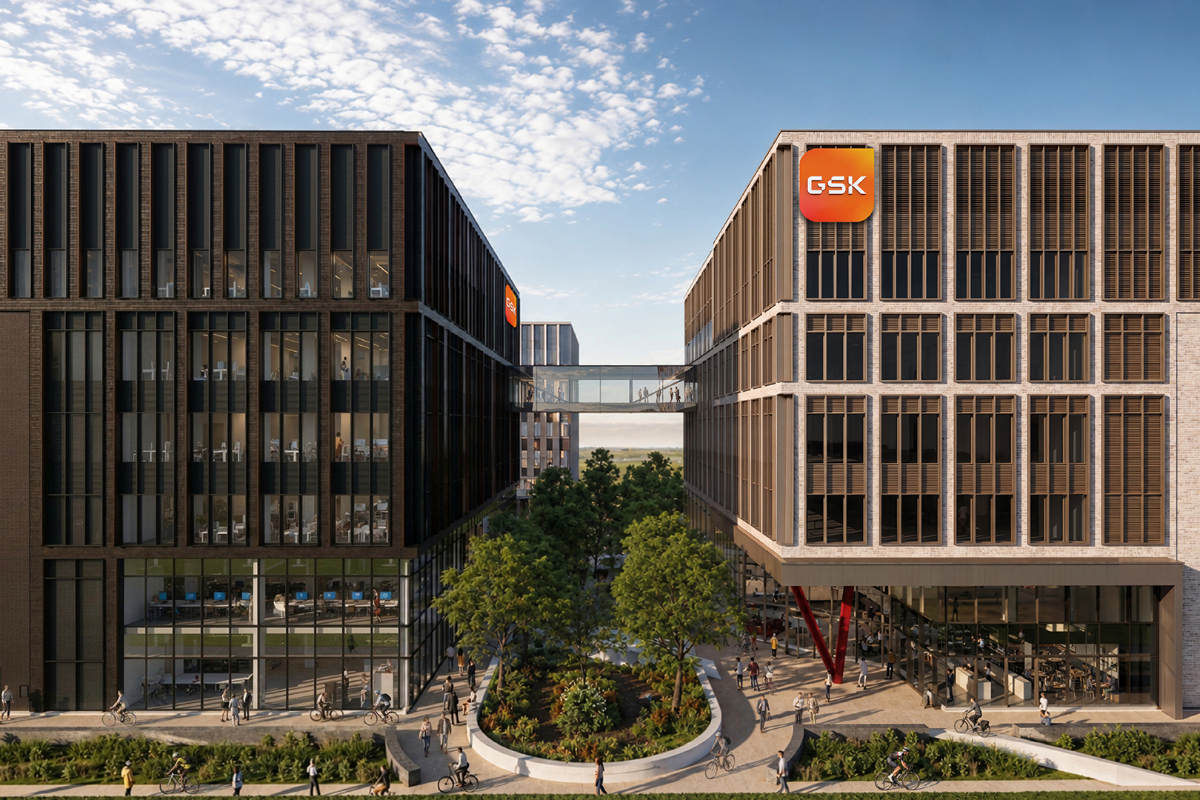
British pharmaceutical giant GSK is set to announce significant job cuts as part of a £1.9bn cost-saving program aimed at funding a £400m investment in UK life sciences over the next three years. A key component of this investment is a new state-of-the-art research and development campus in Cambridge, designed to accelerate drug development.
The company plans to relocate over 1,000 scientists to the new Cambridge biomedical campus, which is situated on one of Europe's largest biomedical campuses. Concurrently, GSK will close its R&D site in Stevenage by 2029, with some employees potentially moving to upgraded laboratories in Ware. GSK CEO Luke Miels stated that this investment will enhance R&D capabilities and expedite the delivery of new, competitive products, further integrating the company into a leading global life sciences ecosystem.
The investment has been welcomed by UK officials, including Prime Minister Rishi Sunak, who described it as a boost for homegrown innovation. This move follows a period of tension between the UK government and pharmaceutical companies over drug pricing, which had previously led some firms to pause expansion plans. However, a recent agreement on drug pricing has eased these concerns, mirroring AstraZeneca's decision to increase its UK investment.
This strategic shift marks a significant announcement from CEO Luke Miels, who took over from Emma Walmsley earlier this year. GSK aims to address challenges in keeping pace with competitors and the impending patent cliff for its HIV franchise. The cost-saving program, targeting £1.9bn in annual savings by 2029, will involve cuts in support services, improved procurement, and a reallocation of resources from established treatments to focus on new drug development. The company also plans to double its phase 3 trials to 20 this year to strengthen its pipeline.