Key facts
- Economists now expect the Federal Reserve to raise its benchmark interest rate by 25 basis points on Wednesday.
- Markets are heavily pricing in a 25 basis point increase, which would bring the target rate to a 3.75%-4.00% range.
- Hotter-than-expected inflation data and oil prices above $100 a barrel have influenced the shift in expectations.
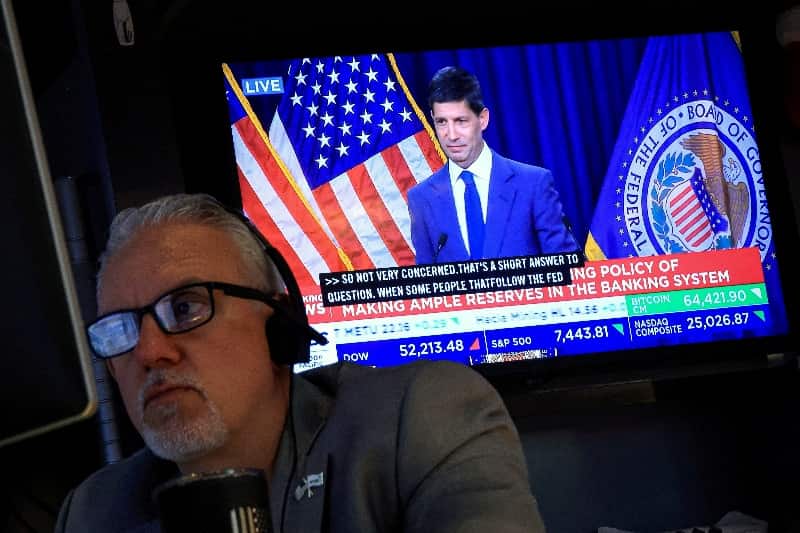
- Fed Chair Kevin Warsh's recent remarks emphasizing price stability have contributed to the expectation of a hike.
- More than half of forecasters anticipate at least one additional rate increase by the end of March.
Economists and financial markets are increasingly anticipating that the Federal Reserve will raise its benchmark interest rate by 25 basis points at its upcoming policy meeting on Wednesday, a shift from previous expectations of a hold. This change in outlook is attributed to a combination of elevated inflation readings, rising oil prices, and hawkish signals from Fed Chair Kevin Warsh.
Markets are heavily betting on the rate hike, which would bring the target rate to a 3.75%-4.00% range. Some analysts also expect the Fed to signal further tightening ahead, with 53% of forecasters anticipating at least one more increase by the end of March.
Hotter-than-expected inflation data, including a 0.3% monthly rise in core U.S. consumer prices in August, coupled with crude oil prices soaring above $100 a barrel amid renewed hostilities in the Middle East, have likely swayed policymakers. Fed Chair Warsh's recent remarks, emphasizing the need for price stability and attention to financial market pricing, have also contributed to the expectation of a rate hike.
While some Fed officials, like Governor Christopher Waller and New York Fed President John Williams, had previously expressed caution due to cooler inflation readings, the latest data may disappoint those views. Three regional Fed bank presidents had already dissented in July, favoring a rate hike.
TD Securities economist Oscar Munoz noted that Warsh may need to "walk a fine line" in his remarks if he aims to provide no forward guidance, as he will likely face questions about future rate hikes if the Fed tightens policy.