Key facts
- The Federal Reserve is expected to raise interest rates by 25 basis points on Wednesday.
- US August consumer inflation remained steady at 3.4%, above the Fed's 2% target.
- Market expectations for a Fed rate hike on Wednesday are over 85%.
- The Bank of Japan is predicted to raise its key rate after supportive data, including a significant jump in wages.
- Oil prices are above $100 a barrel, and the Middle East war is reigniting, contributing to global price pressures.
- The European Central Bank tightened policy for the second time since the outbreak of the Iran conflict.
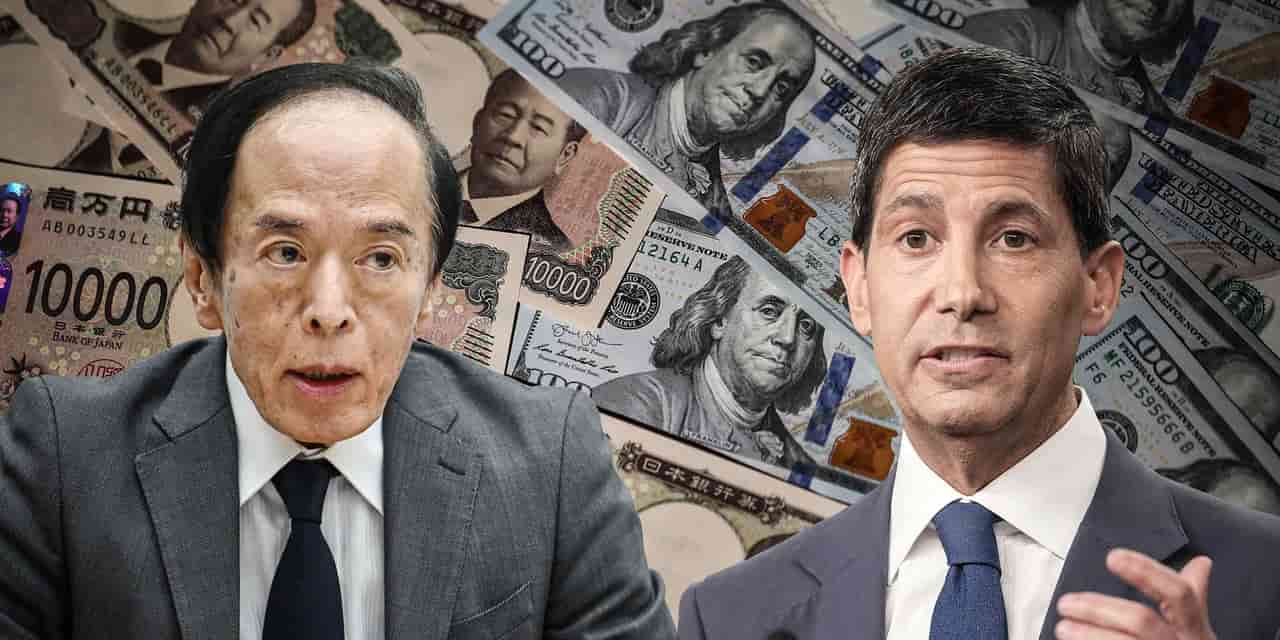
Central banks across the Group of Seven face a critical week as persistent inflation risks pressure them to raise interest rates. The Federal Reserve's decision on Wednesday, followed by the Bank of England and the Bank of Japan, could significantly shape global monetary policy for the remainder of 2026 and beyond.
The U.S. is under particular scrutiny following a higher-than-expected core inflation reading on Friday, which has fueled investor expectations of a rate hike by the Fed, potentially against President Donald Trump's wishes. The Fed has maintained its current rates since January, awaiting clearer signs of inflation cooling amidst energy price shocks and the impact of Trump's tariffs. However, recent comments from Fed officials, including Chair Kevin Warsh, suggest a rate increase is likely if inflation does not decelerate.
August's consumer inflation data showed prices remaining steady at 3.4%, still considerably above the Fed's 2% target. This led to market expectations, with CME's FedWatch tool indicating over an 85% probability of a 25-basis-point hike on Wednesday. The Fed last increased rates three years ago following pandemic-induced inflation. Trump has been vocal in his criticism of the Fed's independence, advocating for lower rates to stimulate economic activity.
Analysts view this decision as a significant test for Warsh, appointed by Trump, balancing market expectations with the White House's preferences. "This is the test. This is what comes with that job, and now he has to decide how to handle it," said David Wessel, senior fellow at the Brookings Institution. "He's either going to completely disappoint the markets, or he runs the risk that he's going to start to anger Donald Trump."
The Federal Open Market Committee will announce its decision after a two-day meeting on Wednesday at 2:00 pm ET. Claudia Sahm, chief economist at New Century Advisors, noted that while a rate hike is likely, "it's not a done deal." She cautioned that raising rates is "costly medicine" and that surprising markets without clear explanation could lead to a volatile reaction.
Meanwhile, the Bank of Japan is widely expected to raise its key rate following supportive economic data, including a substantial increase in wages. The Bank of England might also consider a hike, with some officials favoring such a move and price risks simmering. Global price pressures are exacerbated by oil prices exceeding $100 a barrel and renewed conflict in the Middle East. The European Central Bank recently implemented its second rate hike since the Iran conflict began, signaling a synchronized hawkish policy stance across G7 central banks.