Key facts
- GM Defense has delivered housing components for Lockheed Martin's PAC-3 Missile Segment Enhancement interceptor.
- Lockheed Martin called the 22-day turnaround for the components 'extraordinary'.
- Demand for Patriot interceptors has surged due to the wars in Ukraine and against Iran.
- A Department of Defense Inspector General report noted munitions expenditure has resulted in strategic inventory shortfalls.
- GM CEO Mary Barra called defense a 'growth business' for the company, targeting nearly $700 million in defense revenue this year.
- Lockheed Martin is investing $8 billion to $9 billion to scale weapons production, expecting a nearly 50% growth in munitions production and warehouse space.
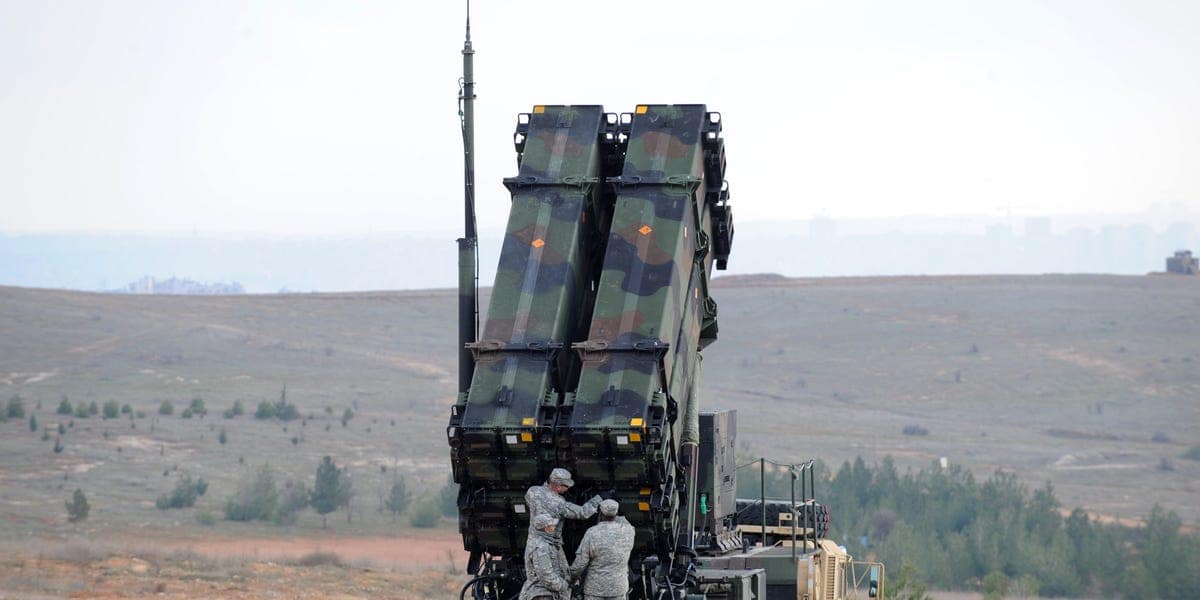
General Motors' defense subsidiary has begun manufacturing components for the Patriot air-defense system's interceptor missiles. GM Defense delivered housing components for Lockheed Martin's PAC-3 Missile Segment Enhancement interceptor, a missile used to counter advanced threats. Lockheed Martin, a major defense contractor, announced the delivery, highlighting an "extraordinary 22-day turnaround" from the contract's signing on August 6 to the first batch of components arriving.
The surge in demand for Patriot interceptors, particularly the PAC-3 MSE variant, is attributed to strained US and allied inventories due to the ongoing wars in Ukraine and against Iran. Recent reports have raised concerns about US munition stockpiles, though the Pentagon and White House have largely dismissed these worries. A Department of Defense Inspector General report acknowledged "strategic inventory shortfalls" and "industrial base bottlenecks" for munitions resupply.
GM's involvement marks a notable expansion for its defense business, which is better known for military vehicles. GM CEO Mary Barra has identified defense as a "growth business," with the company targeting nearly $700 million in defense revenue this year. Ford CEO Jim Farley has also indicated discussions with the US government about additional defense projects.
Lockheed Martin plans to invest between $8 billion and $9 billion to scale its weapons production, anticipating nearly a 50% increase in its munitions production and warehouse capacity. The companies intend to collaborate on other munitions programs and future defense systems.