Key facts
- Global bond yields surged to multi-year and record highs.
- Japanese government bond yields reached 30-year highs.
- U.S. 10-year Treasury yields hit 4.80%, the highest since January 2025.
- Fed Governor Michael Barr indicated potential for further rate hikes.
- Oil prices increased by approximately 5%, contributing to inflation concerns.
Global bond markets experienced an accelerated selloff, pushing yields to multi-year and, in some cases, record highs. Japanese government bond yields surpassed levels not seen in over three decades, while U.S. 10-year Treasury yields reached 4.80%, their highest point since January 2025. This broad increase in borrowing costs is fueled by investor expectations that central banks will implement further interest rate hikes to combat persistent inflation, exacerbated by rising oil prices and fiscal concerns.
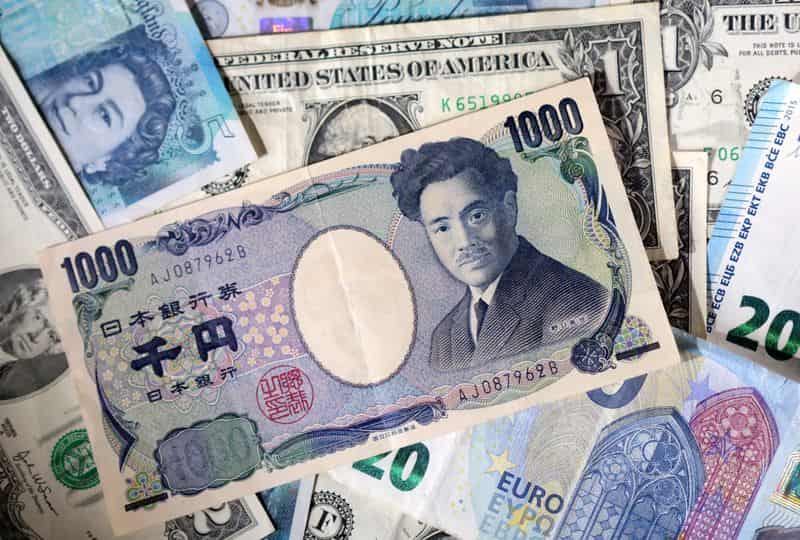
Fed Governor Michael Barr added to hawkish sentiment, indicating that a rate increase might be necessary at the upcoming FOMC meeting if inflation data remains elevated. Traders are pricing in a 66% probability of a rate hike. The Japanese yen saw its largest gain against the dollar in a month, following hints from Japanese policymakers about potential interest rate increases. Analysts suggest central bank activity may have influenced the move, possibly a 'rate check' rather than direct intervention.
Resurgent oil prices, up 25% in less than a month, are emerging as a significant factor driving bond yields higher, strengthening the correlation between oil and the 10-year Treasury yield. Concerns are rising about the potential impact of high energy prices on consumer spending.