Key facts
- Gen Z-led protests demanding change are occurring across Europe.
- Protesters cite issues including poor education, economic opportunity, cost of living, corruption, and housing.
- In Serbia, student protests contributed to the election defeat of long-time leader Aleksandar Vucic.
- A European Union survey in 2025 indicated that 40% of 16-30-year-olds are concerned about rising prices.
- Young adults aged 18-24 in the EU faced the highest risk of poverty or social exclusion in 2025.
- People over 60 in France own 60% of the country's wealth, according to the OFCE think tank.
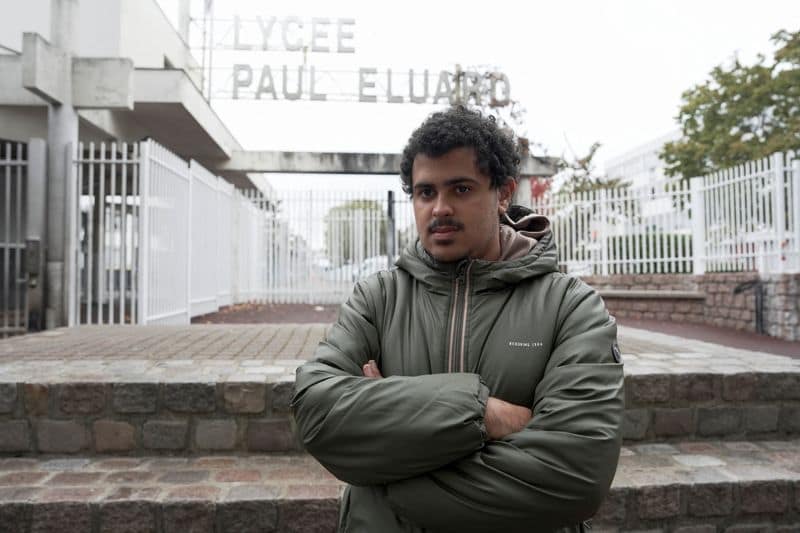
Young people across Europe, identifying as Gen Z, are participating in widespread protests driven by anger and a desire for change. These movements, spanning from Paris to Belgrade, voice frustrations over inadequate education, economic limitations, the cost of living, corruption, and a perceived lack of attention from authorities.
In Serbia, nearly two years of demonstrations against perceived corruption and authoritarianism culminated in the election defeat of long-time leader Aleksandar Vucic. Protesters expressed a sense of relief and victory.
Students in Milan highlighted the impact of economic hardship on their ability to envision a future, citing issues like understaffed schools, crumbling buildings, and the prospect of low-paying jobs and unaffordable housing.
Data from a 2025 European Union survey indicated that 40% of individuals aged 16-30 are concerned about rising prices, with young adults aged 18-24 facing the highest risk of poverty or social exclusion.
In France, concerns about pension spending, which constitutes a significant portion of public expenditure, are contrasted with declining investment in education. Protesters in Paris and Belgium have highlighted poor school conditions, including staff shortages and structural issues.
Albania has also seen student-led demonstrations against Prime Minister Edi Rama's government, fueled by anger over corruption, job scarcity, and poor education standards. Protesters expressed a desire to leave the country due to perceived systemic advantages for those with connections.
While student movements in Serbia achieved a political outcome, the challenge of governing now lies ahead for a generation with limited political experience.