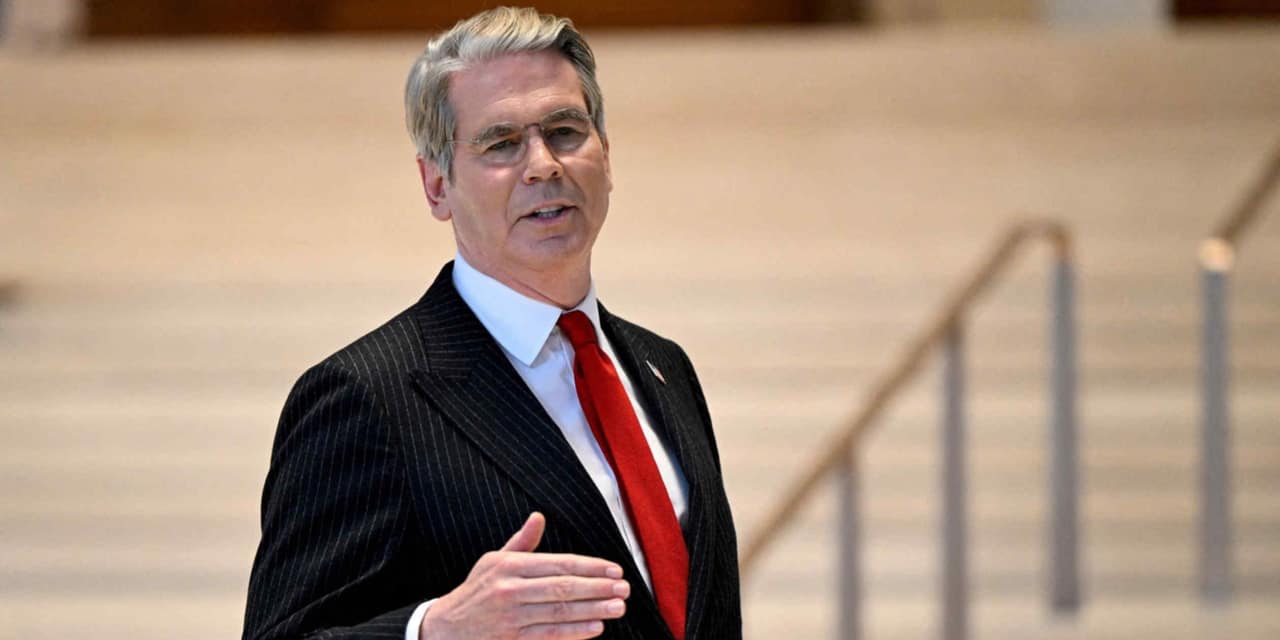
Finance ministers and central bank governors from the Group of 20 major economies are set to conclude their meeting in Bangkok without a joint communique, a rare outcome attributed by the U.S. to a dispute with China over its trade surplus. U.S. Treasury Secretary Scott Bessent will also miss the gathering due to domestic engagements, with Deputy Treasury Secretary Francis Brooke and Under Secretary for International Affairs Erin Browne leading the U.S. delegation.
According to Treasury Secretary Bessent, Beijing blocked the issuance of a joint statement after the finance ministers' meeting, citing disagreements over language related to China's large trade surplus. The U.S. has argued that China's manufacturing capacity, supported by cheap credit, pushes goods outward and forces adjustments onto trading partners. Beijing, however, maintains that its surpluses reflect competitiveness and citizen savings behavior, not policy manipulation.
The failure to produce a communique highlights the structural challenges facing the G20, which was designed as a crisis-response body and is less effective in adjudicating disputes between major economies. The unanimity required for a joint statement gives any member an effective veto, and the language agreed upon in communiques can set precedents for future negotiations and policy discussions.
For smaller member countries, the lack of a joint statement means losing a crucial source of diplomatic cover for setting expectations on currency policy, debt restructuring, and trade rules. Bessent's absence, while attributed to domestic engagements ahead of U.S. midterm elections, also means fewer opportunities for bilateral meetings with counterparts from other nations.