Key facts
- UK Finance Minister John Healey plans to fund new budget initiatives without additional borrowing.
- The budget, due October 28, aims for a "scorecard positive" by 2029/30.
- Day-to-day spending must be met by tax revenues under government rules.
- The UK's budget deficit was 4.4% of GDP last year.
- Plans to increase fuel duty by 3 pence and 2 pence per liter are expected to be dropped.
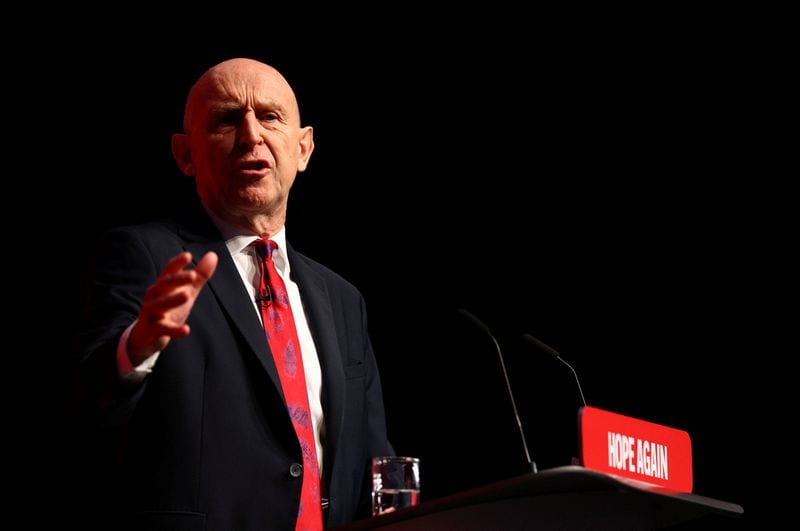
UK Finance Minister John Healey is expected to finance new initiatives in the upcoming budget, including a cost-of-living package, through increased taxes or spending cuts rather than further borrowing, the Financial Times reported. Healey's first annual budget, scheduled for October 28, is anticipated to be "scorecard positive" by 2029/30, indicating that additional discretionary spending will be fully funded. This approach aligns with the government's self-imposed borrowing rules, which mandate that day-to-day expenditures be covered by tax revenues and that debt falls as a proportion of GDP. Last year, the UK recorded a budget deficit of 4.4% of GDP.
The conflict in Iran has reportedly placed additional strain on Britain's public finances, leaving Healey with less flexibility to meet fiscal targets. The finance minister is expected to designate the remaining fiscal headroom as a "contingency fund" for periods of economic stress. One individual briefed on the budget preparations told the FT that this demonstrates fiscal responsibility.
In addition to a targeted package to assist with rising winter fuel costs, Healey is reportedly planning to abandon proposed increases to fuel duty of 3 pence per liter in January and 2 pence in March. A Treasury spokesperson affirmed the Chancellor's commitment to fiscal discipline, stating it underpins all government promises and that the Prime Minister and Chancellor are aligned on meeting fiscal rules. The spokesperson added that the focus is on supporting British jobs, providing relief to families and businesses, and fostering growth nationwide.
This week, the International Monetary Fund endorsed Britain's fiscal strategy, advising the country to "stay the course" with deficit reduction rather than accelerating it. This stance contrasts with other major economies that have minimal or no plans to reduce borrowing amidst rising interest rates.