Key facts
- The Federal Reserve is expected to raise interest rates on Wednesday.
- Inflation has remained stubbornly above the Fed's 2% target for over five years.
- Global borrowing costs are shifting higher, with 10-year U.S. Treasury yields reaching a 19-year high.
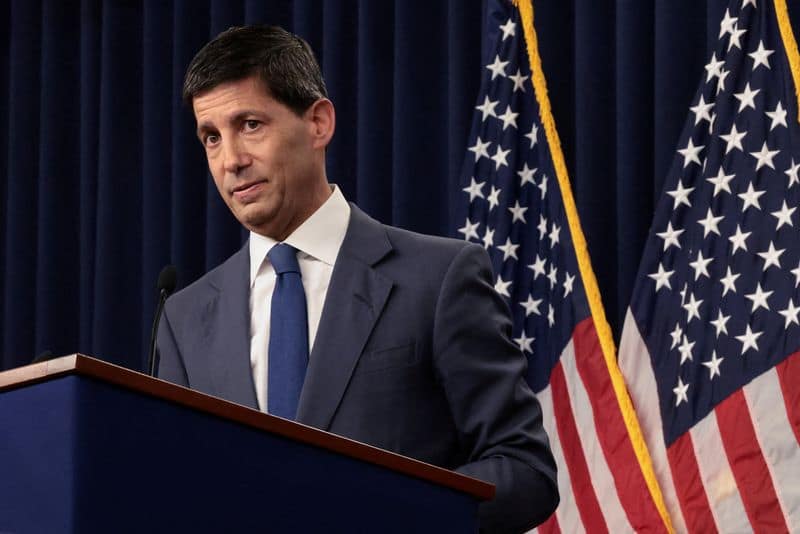
- Fed Chair Kevin Warsh's communication will be closely watched for signals on future rate policy.
- The rate hike decision occurs less than two months before the US midterm elections.
The Federal Reserve is widely expected to raise interest rates on Wednesday for the first time since 2023, a move driven by persistently high inflation and a global increase in borrowing costs. The decision comes less than two months before the US midterm elections, placing significant scrutiny on Fed Chair Kevin Warsh's communication regarding the central bank's policy path.
Inflation has remained above the Fed's 2% target for over five years, with the Personal Consumption Expenditures Price Index rising at a 3.7% annual pace in June and July. This persistent inflation, coupled with rising global bond yields, including the 10-year U.S. Treasury reaching a 19-year high of over 5% on Tuesday, has made a rate hike almost inevitable. Market pricing currently reflects a greater than 90% probability of such an increase.
Fed Chair Kevin Warsh faces the challenge of framing the policy decision, particularly given President Donald Trump's previous expectations for lower rates and threats of tariffs. Analysts suggest that Warsh's post-meeting press conference will be as crucial as the rate decision itself, with markets sensitive to any signals of dovishness that could lead to a selloff in long-term bonds.