Key facts
- The Bank of England is expected to hold interest rates on Thursday amid pressure from rising inflation and a global bond market sell-off.
- Surging energy prices, linked to the Iran conflict, are fueling speculation of a rate hike to prevent inflation from becoming embedded.
- Markets are pricing in an 80% chance of a quarter-point rate increase in November.
- The 30-year gilt yield neared 6% on Tuesday, its highest level since 1997, indicating aggressive selling of UK sovereign debt.
- Some analysts argue the Bank should hold rates steady, citing limited evidence of inflation becoming embedded in wages and prices.
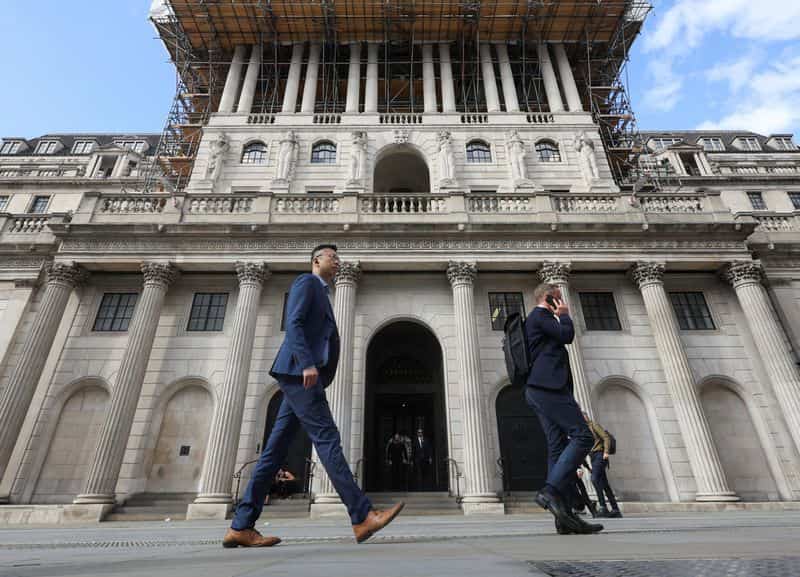
The Bank of England is under significant pressure to raise interest rates on Thursday, with investors urging Threadneedle Street to act against rising inflation before the energy shock from the Iran conflict spreads through the economy. Failing to do so risks the Bank losing credibility, according to investors.
Global government bonds have experienced a historic sell-off, exacerbated by surging oil prices to multi-month highs. The yield on the 10-year US Treasury surpassed five percent for the first time since 2007, signaling ongoing investor unease about long-term inflation. UK gilts have been sold off even more aggressively, with the 30-year yield nearing six percent, its highest since 1997. Shorter-term gilt prices suggest the Bank of England could hike rates up to four times in the next 12 months.
Anthony Brinkman, a portfolio manager at Principle Asset Management, noted that market movements indicate central banks are running out of time and that investors will demand higher prices for holding government debt if the Bank of England does not hike rates or communicate a convincing long-term trajectory.
The recent drone attack on a Saudi oil pipeline, coupled with escalating regional tensions, has revived supply concerns in global energy markets. Brent crude has risen to $107 a barrel, and European natural gas prices are at their highest since the initial fallout from Russia's invasion of Ukraine. This has reignited fears that businesses will pass higher costs to consumers, pushing up prices despite slack in the UK labor market.
Andrew Wishart, senior UK economist at Berenberg, warned the Bank of England must deliver on its promises to raise interest rates to avoid losing credibility and sparking a sell-off in the pound, stating the cost of a 25 basis point hike is small compared to the risk of delay.
However, some argue that the Monetary Policy Committee should hold rates steady for a sixth consecutive meeting, despite bond market volatility. James Carter, W1M's co-head of fixed income, told City AM that the Bank's job is to prevent the shock from becoming embedded in wages and prices, and evidence for this remains limited.
Earlier this week, the European Central Bank tightened monetary policy, warning that inflation from the Middle East conflict would be longer-lasting than anticipated. The US Federal Reserve is also expected to raise rates when it meets on Wednesday.
The Bank of England is expected to hold its benchmark interest rate at 3.75% on Thursday. Financial markets are pricing in an 80% chance of a quarter-point hike in November. J.P. Morgan economist Allan Monks believes energy price movements suggest inflation could peak at 3.9% in February, arguing for no further delay in a rate hike. The Telegraph reported that the central bank may cease sales of 20-year and 30-year gilts, potentially providing fiscal room for Finance Minister John Healey ahead of his budget statement.