Key facts
- The Federal Reserve raised its benchmark interest rate to combat inflation.
- This is the first rate hike since 2023.
The Federal Reserve raised its benchmark interest rate for the first time since 2023, a unanimous decision aimed at curbing persistent inflation. The move signals further tightening ahead and could lead to higher borrowing costs, potentially impacting economic growth.
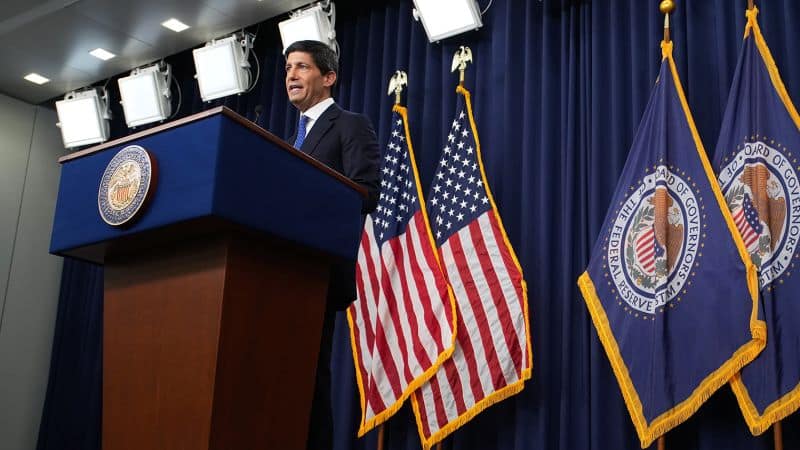
The Federal Reserve's decision to raise interest rates directly impacts borrowing costs for consumers and businesses, potentially slowing economic activity. Investors are closely watching the central bank's actions as it navigates the challenge of controlling inflation without triggering a recession.
The Federal Reserve implemented its first interest rate hike since 2023 on Wednesday, a move designed to combat persistent inflation. The decision, which was unanimous among the Fed's rate-setting committee, signals a policy shift aimed at cooling spending and preventing inflation from becoming more entrenched. However, the increase in rates is expected to lead to higher borrowing costs for consumers and could potentially dampen economic growth.
Fed Chair Kevin Warsh acknowledged the high inflation, stating, “The plain fact is that inflation is too high, and has been for too long.” He also highlighted the central bank's commitment to reining in price pressures and noted that underlying economic growth is strengthening.
Markets reacted with volatility following the announcement. Stocks initially turned lower, with the S&P 500 gyrating before turning negative, the Dow Jones Industrial Average tumbling by 850 points, or about 1.6%, and the Nasdaq Composite falling 0.5%. Long-term bond yields pared their declines, and the US dollar surged.