Key facts
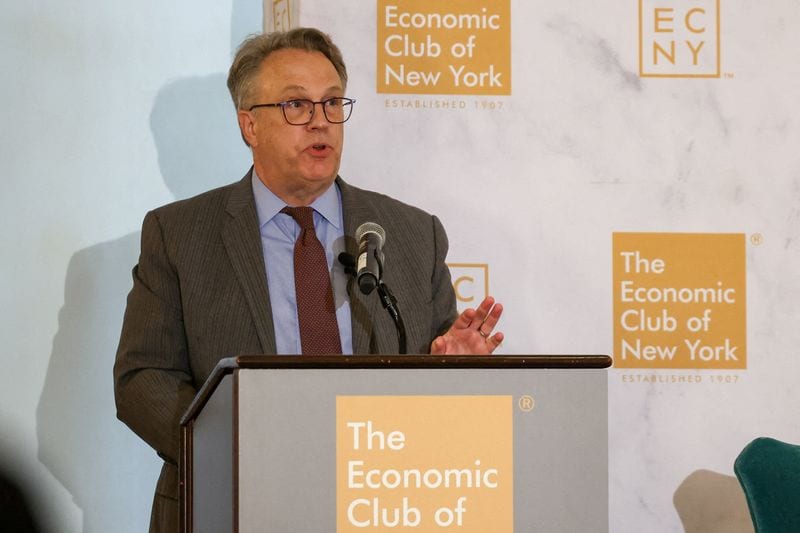
- New York Fed President John Williams stated it is reasonable to consider another interest rate hike before year-end.
- Fed officials believe inflation can be reduced through anchored expectations rather than solely by demand destruction.
- The labor market is seen as balanced near full employment, with the jobless rate at 4.1% and moderate wage gains.
- PCE inflation is at 3.7%, a level concerning to officials but not near post-pandemic highs.
- Some Fed policymakers believe the labor market does not need to be slowed to achieve the inflation target.
- The latest median projection among Fed policymakers sees no change to the current unemployment rate through 2029.
Federal Reserve officials are increasingly hopeful that they can bring down high inflation without causing significant damage to the labor market, a strategy that hinges on influencing public and business expectations about future price increases. New York Fed President John Williams indicated that another interest rate hike this year is a reasonable possibility, aligning with market expectations.
Policymakers believe that if people anticipate the Fed is actively combating inflation, it can lead to more moderate price-setting behaviors. This approach contrasts with the traditional view that rate hikes must lead to reduced demand, output, and employment to curb inflation. Fed officials point to the current labor market, characterized by a 4.1% unemployment rate and moderate wage gains, as being balanced and potentially capable of sustaining low inflation without significant job losses.
While inflation, measured by the PCE Price Index, stands at 3.7%, it is not at the extreme levels seen previously, which prompted aggressive rate hikes. Some officials, like St. Louis Fed President Alberto Musalem, suggest that the labor market does not necessarily need to be cooled to achieve the 2% inflation target, implying a potential defiance of the classic Phillips curve trade-off. The latest projections from Fed policymakers indicate no expected increase in the unemployment rate through 2029, even as inflation is anticipated to decline and economic growth remains above its long-run potential.
However, there is a counterargument that without an abrupt end to supply shocks, rate hikes will inevitably lead to reduced demand and employment. The Fed's current approach might result in a slower fight against inflation, with projections showing PCE inflation remaining above 2% until 2029. Future data, including upcoming PCE reports, will be crucial in shaping the Fed's response, especially if inflation is increasingly fueled by strong economic demand rather than just supply shocks.