Key facts
- The average 30-year fixed-rate mortgage in the US rose to 7.12% in the week ended September 18.
- This is the highest mortgage rate recorded since May 2024.
- The yield on the 30-year US Treasury bond reached 5.444%, its highest level since 2004.
- Federal Reserve Governor Michael Barr indicated that additional rate hikes may be required to meet inflation targets.
- Adjustable-rate mortgages accounted for 9.8% of mortgage applications last week.
The average rate on the US 30-year fixed-rate mortgage increased to 7.12% in the week ended September 18, reaching its highest level since May 2024, according to the Mortgage Bankers Association (MBA).
Long-dated US borrowing costs also climbed, with the yield on the 30-year US Treasury bond reaching 5.444% on Thursday, its highest since 2004. This surge in yields, which has been building for months, is attributed to strong US growth data, persistent inflation pressures, and rising energy prices linked to the U.S.-Israeli war on Iran.
Federal Reserve Governor Michael Barr stated on Wednesday that the US central bank likely needs to deliver further interest rate hikes to combat inflation, citing strong economic growth and a solid labor market. He noted that inflation remains above the Fed's 2% goal and is not clearly trending downward. The Fed recently raised its policy rate to the 3.75%-4.00% range, with most policymakers signaling at least one more hike by year-end. Barr's remarks suggest he believes at least two more hikes may be necessary.
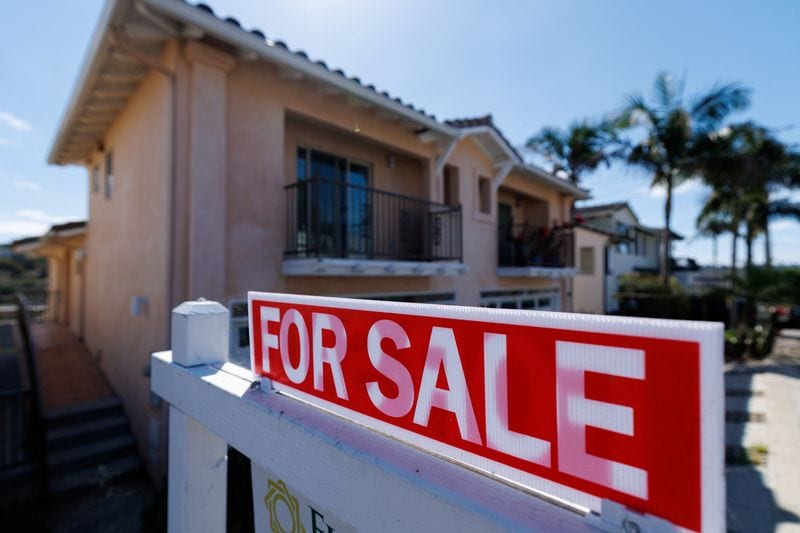
The rise in mortgage rates, influenced by Treasury yields, oil prices, and Fed policy, has put pressure on prospective homebuyers and cooled the US housing market. The MBA reported a decline in refinancing and home purchase applications last week, leading more borrowers to opt for adjustable-rate mortgages (ARMs), which constituted 9.8% of applications.